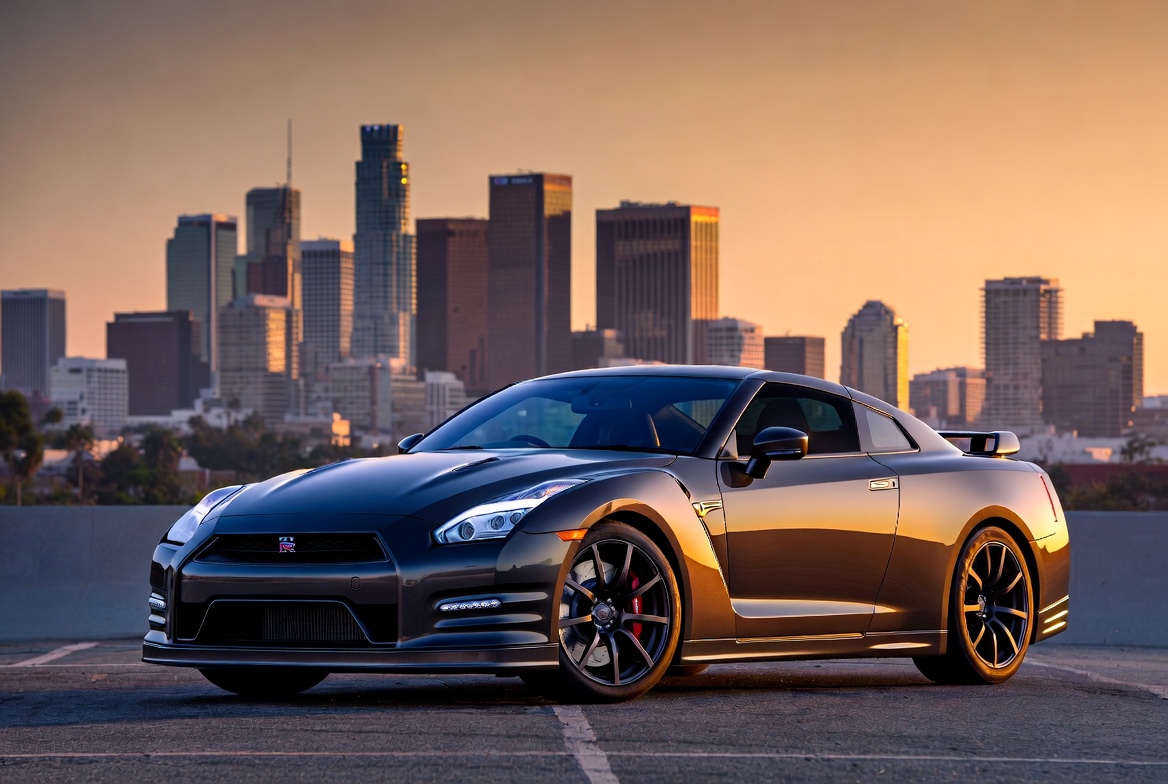
Nissan GT-R Proto and R35: Understanding the 2005 Nissan GT-R Proto helps separate concept-car design history from the specification and condition evidence required for a production R35.
Start with requirements rather than the listing price: model year, version, operating conditions and an acceptable preparation budget for the Nissan GT-R Proto and R35. A request through pandausedcars.com should identify one VIN and explicitly include the 2005 GT-R Proto and R35 development context.
Quick answer
A clear history of the 2005 Nissan GT-R Proto, its relationship to the production R35 and the design or engineering cues buyers still recognize.
- a concept vehicle is not a production specification
- visual similarity does not prove shared hardware
- R35 condition still requires VIN-level inspection
Assessing the 2005 GT-R Proto and R35 development context
Separate the 2005 GT-R Proto and R35 development context into factory specification, present condition and suitability for the destination. These are different conclusions requiring different evidence.
Compare at least two candidates using the same inspection form. For model context, review About Nissan GT-R Proto and R35 Buying Guides. A repeatable sequence exposes real differences and prevents attractive photographs from replacing technical evidence.
Step-by-step vehicle checks
1. Separate the 2001 concept, 2005 Proto and production R35
The main risk in “separate the 2001 concept, 2005 Proto and production R35” is receiving plausible evidence that does not belong to the selected Nissan GT-R Proto and R35. Material for the 2005 GT-R Proto and R35 development context should therefore include an unedited video, starting conditions, measurable result and repeatable acceptance criterion. Show the VIN at the start, and record date, mileage and test conditions. Clearing a code or making a verbal promise does not close a finding. Agree the cause, corrective cost and repeat-test result before payment. The result can be repeated before carrier handover.
2. Compare design cues without claiming identical components
Define the acceptance limit for “compare design cues without claiming identical components” before the inspection. On a Nissan GT-R Proto and R35, the procedure must answer the buyer's specific question about the 2005 GT-R Proto and R35 development context; “everything works” is not a result. The minimum evidence is an unedited video, starting conditions, measurable result and repeatable acceptance criterion. Classify each deviation by its effect on safety, registration, price or future use, then repeat the identical test after corrective work. The record protects the buyer from verbal reinterpretation after payment.
3. Use chassis and model codes precisely
Treat “use chassis and model codes precisely” as a separate condition of the Nissan GT-R Proto and R35 deal. For the 2005 GT-R Proto and R35 development context, collect an unedited video, starting conditions, measurable result and repeatable acceptance criterion, then compare the result with factory specification and intended use. If the seller cannot reproduce the check, mark the conclusion as unknown rather than passed. Agree who closes the finding and what document proves closure before shipment. A consistent method makes candidate comparison more reliable.
4. Connect prototype history to production-car verification
Start “connect prototype history to production-car verification” by defining the expected result for this Nissan GT-R Proto and R35. For the 2005 GT-R Proto and R35 development context, the seller should provide an unedited video, starting conditions, measurable result and repeatable acceptance criterion. Record the starting conditions and VIN, complete the test without edited gaps, and repeat it after a drive, restart or change of load. Any conflict between advertised specification, measured data and actual behavior belongs in the report with a clear decision: accept it, reprice it, correct it before shipment or reject the vehicle. This preserves evidence for negotiation and final acceptance.
Red flags and evidence quality
Judge evidence quality rather than seller confidence. The Nissan GT-R Proto and R35 report should show the deviation, its consequence, corrective cost and the result after correction.
- A concept vehicle is not a production specification.
- Visual similarity does not prove shared hardware.
- R35 condition still requires VIN-level inspection.
Make the decision and prepare shipment
Compare corrective cost with the price gap between two Nissan GT-R Proto and R35 candidates. A more expensive vehicle with complete evidence can be cheaper than an uncertain one after arrival.
Before carrier handover, repeat the condition photographs and verify keys, cables, documents, batteries and tires. Continue with the site’s related resources to cover adjacent risks.
Frequently asked questions
How should “separate the 2001 concept, 2005 Proto and production R35” be documented?
Show the Nissan GT-R Proto and R35 VIN, starting conditions and the complete test without gaps. Preserve measurements or diagnostic files in their original format.
What if “compare design cues without claiming identical components” cannot be verified?
Do not assume it is correct. Record the limitation, price the maximum credible risk and either delay payment or include that exposure in the deal.
When should the 2005 GT-R Proto and R35 development context be tested again?
Repeat after repair, code clearing, software updates or extended storage. Use the same conditions so the before-and-after results remain comparable.
What should transfer with the Nissan GT-R Proto and R35?
Provide the VIN-linked report, photographs, video, diagnostic files, finding list, completed-work evidence, keys and agreed export documents.