The Proto Bloodline: Why It Still Defines the Best R35 Ownership in 2026
Hero Introduction
There’s a moment — about three seconds into a hard run, somewhere around 4,500 RPM when the VR38’s twins really spool and the GR6 fires the next ratio — where time stops feeling linear. I’ve had that moment in all three R35s I’ve owned over the years. A 2009 launch-spec car. A 2011 track toy. The 2015 I still run today. Different build stages, different tracks, completely different moods each time. Same feeling. Every single time.
It takes me straight back to Tokyo. October 2005. A packed motor show hall, a shape under a cover, and a GT-R community that had been waiting with embarrassing desperation. The cover came off. The arguments started immediately. Nobody could look away.
Here in 2026, that same car could easily feel like furniture. Something you’ve passed in traffic so many times that your eyes have learned to slide off it. Some cars do that. They become familiar and comfortable and eventually forgettable. The R35 has always refused. And after nearly seventeen years of owning, driving, wrenching on, and occasionally cursing at these cars, I think I understand exactly why.
It’s the bloodline. The direct, unbroken line between the engineering philosophy that defined the Proto on that Tokyo stage and the production car sitting in your garage right now. These two things aren’t connected by marketing language or heritage storytelling. They’re connected by real decisions — about geometry, weight distribution, platform architecture, assembly method, and aerodynamic intent — that were locked in during a development process that still defines what it feels like to own one of these cars at any mileage, in any year, on any road.
That’s worth talking about. Properly.
The Engineering Philosophy That Refuses to Age
What nobody talks about when they compare modern performance cars to the R35 is that the R35 was never designed to be good for its era. It was designed to be good. Full stop. No qualifier. No “for a road car” caveat. And the evidence for that claim starts with the decisions that were the hardest to make.

Start with the GR6 dual-clutch transaxle mounted at the rear axle. Every other manufacturer in 2007 put their gearbox next to the engine because it’s cheaper, simpler, and easier to service. Nissan moved it rearward because doing so achieved the weight distribution the engineers required — that deliberate 53/47 front-to-rear split — and they accepted every packaging challenge that decision created. That’s not a cost-driven call. That’s an engineering team solving the right problem regardless of difficulty.
Then there’s the VR38DETT assembly process. Each engine built from first bolt to final check by a single takumi technician who signs their finished work. Not for tradition. Not for marketing. Because the bearing clearances and torque sequencing required for the engine’s real-world performance under sustained boost benefit measurably from continuous, skilled human oversight rather than an assembly line with multiple handoffs. That process was a direct response to inconsistencies found in pre-production engine builds during the Proto development phase.
The full technical argument for why these Proto-stage decisions made the production car better is laid out in Nissan GT-R Proto vs Production R35: Key Differences That Shaped the Legend — read that if you want the engineering deep-dive. But the ownership-relevant version is simpler: these were decisions made at a higher standard than the market required, and higher-than-required standards don’t expire.
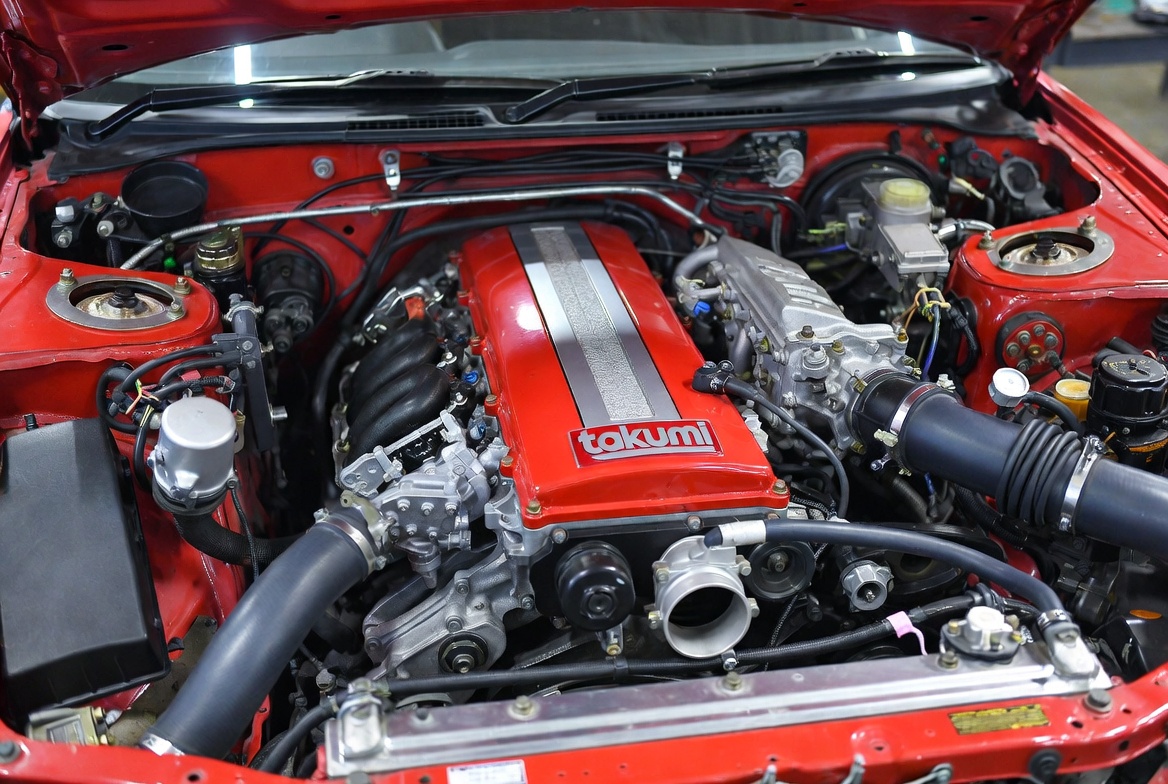
The ATTESA E-TS AWD system calibrated during Proto testing. The purpose-built chassis that shares zero structure with any other Nissan product. The bolted front subframe that allows precise geometry restoration after real road use. The DampTronic damper system that actually delivers a livable Comfort mode without abandoning its R Mode capability. These weren’t “good enough for the time” decisions. They were just good decisions. And 2026 is treating them exactly the same way 2008 did.
Daily Driving Reality in 2026
Let me tell you what the specification sheets never cover: what an R35 is actually like to live with on a normal Tuesday.
I’ve driven mine to work. Through road construction. In rush hour traffic, in the rain, over speed bumps. And here’s what consistently surprises people who’ve never owned one — it’s manageable. More than manageable. The Comfort mode on the DampTronic dampers genuinely absorbs urban imperfections at a level that doesn’t punish your spine on a daily commute. The throttle in Normal mode is progressive enough that you’re not accidentally launching yourself into the car ahead at every green light. The cabin is quieter than people expect.
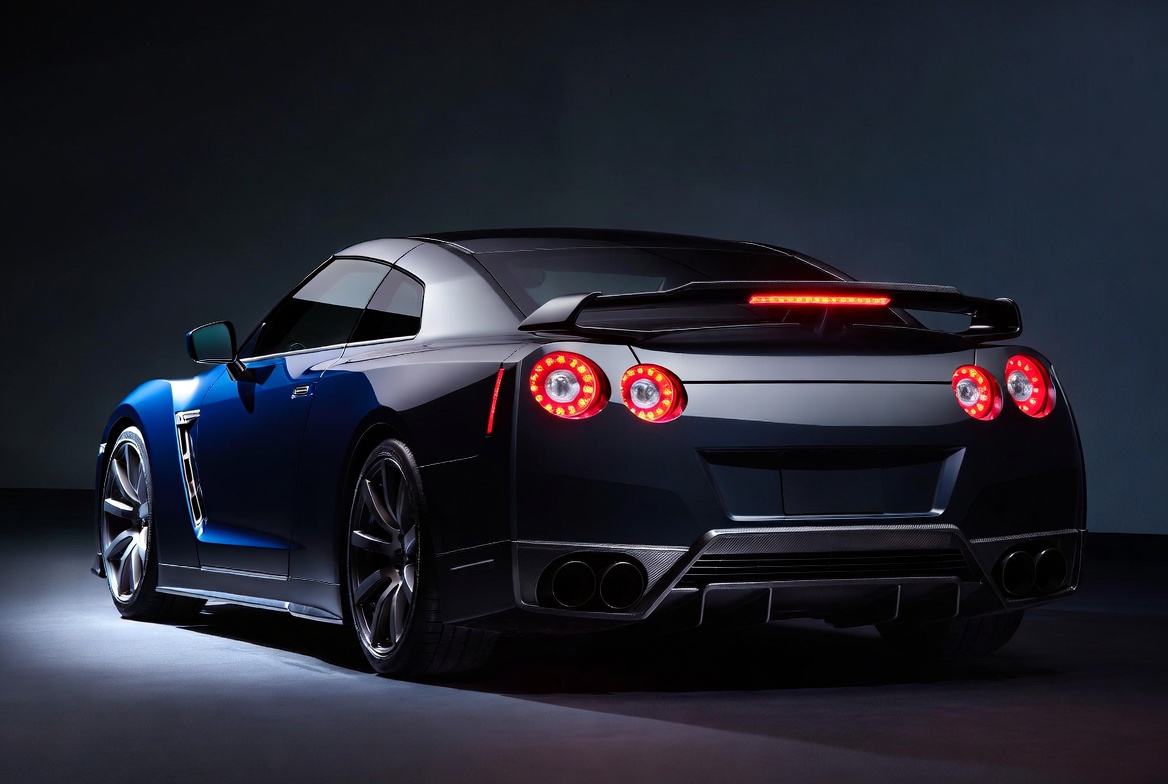
What the daily experience does exceptionally well is maintain a baseline of engagement that modern cars have largely engineered away. There’s feedback through the steering wheel. Through the seat. Through the pedals. The car is telling you something real about what it’s doing almost continuously, and that communication is a direct result of the Proto development philosophy — driver connection was a priority throughout chassis and suspension calibration, not an afterthought bolted on at the end. The R35 communicates because it was required to.
On genuinely gentle highway driving — not crawling, but maintained legal-speed cruising — you can see fuel consumption reach the low twenties in mpg. Combined city and highway driving usually settles around 17–18 mpg. That’s exactly what you’d expect from a 3.8-liter twin-turbo V6 asked to push nearly 1,800 kg at competitive pace on demand. Budget accordingly and it won’t surprise you.
The things that do require adjustment: rear visibility is restricted and reverse parking requires either confidence or sensors. The infotainment in earlier cars is dated in 2026 — comfortably dated — but I’d rather navigate with a phone mount and hear that exhaust note undistracted than manage a complicated touchscreen fighting for attention. Interior quality is firm, purposeful, not luxurious. That suits the character exactly.
If you’re still in the decision stage, everything you need to know about budgeting and model year selection is in Is a Used R35 GT-R Worth Buying in 2026? The Proto Bloodline Advantage. But the daily driving reality is this: every slight inconvenience of ownership disappears completely the moment you find open road. The Proto DNA doesn’t clock out at 5pm. It’s just waiting for you to ask.
Modification and Build Lessons from the Proto Era
I’ve watched a lot of R35 builds go wrong over the years. Not always catastrophically — sometimes wrong just in the sense of “you spent serious money making this worse to live with.” And almost every time, the root cause is identical: the owner didn’t understand what the original engineering was actually doing, so they disrupted it without realizing.

The first lesson the Proto era teaches every modern builder is this: understand the base calibration before you attempt to improve it. The original VR38DETT tune, the GR6 engagement maps, the ATTESA torque split logic — these were developed and cross-validated through a testing process that produced one of the most comprehensively engineered road cars of that generation. Before anything goes on the car, understand what’s already there and why it’s there.
The practical translation of that lesson is one I repeat constantly: the transmission fluid is your first modification. Not an upgrade — a mandatory maintenance condition that must be current before you build any power on top of the platform. The GR6’s clutch packs were designed to operate in fresh, correctly specified fluid. Everything built on a neglected gearbox eventually fails in ways that cost multiples of what a proper fluid service would have.
The second lesson is systematic thinking. The Proto engineering was balanced — VR38 bottom end, stock turbos, fuel system, and cooling were sized to work together at the factory output level. When you start adding power, you add it as a system. Bigger turbos without a supporting fuel system is a lean condition waiting to surface under pressure. A tune without proper thermal management is a boost spike waiting for a hot track day. The Proto engineers built a complete system. Modify it as a complete system.
What the original R35 platform gives builders as a foundation is genuinely remarkable. The purpose-built chassis handles significantly more power and lateral load than the factory ever exploited. The ATTESA AWD architecture — properly supported — manages output levels well beyond stock without drama or unpredictability. The multi-link rear suspension responds to alignment and bushing upgrades with precision because the base geometry was correct from the beginning.
The Proto bloodline gives you a canvas that’s worth respecting before you start painting over it.
The Emotional Payoff of Owning a Proto-Bloodline Car
There’s a plaque on my engine with a person’s name on it.
A real person. A single takumi craftsperson who built that specific VR38DETT from the first component to the final check, and signed their work before it left the building. I think about that plaque during the moments when the engine is doing something extraordinary — pulling hard at the top of the rev range, operating exactly as someone personally ensured it would. Someone built that. One person. Start to finish. Accountable.
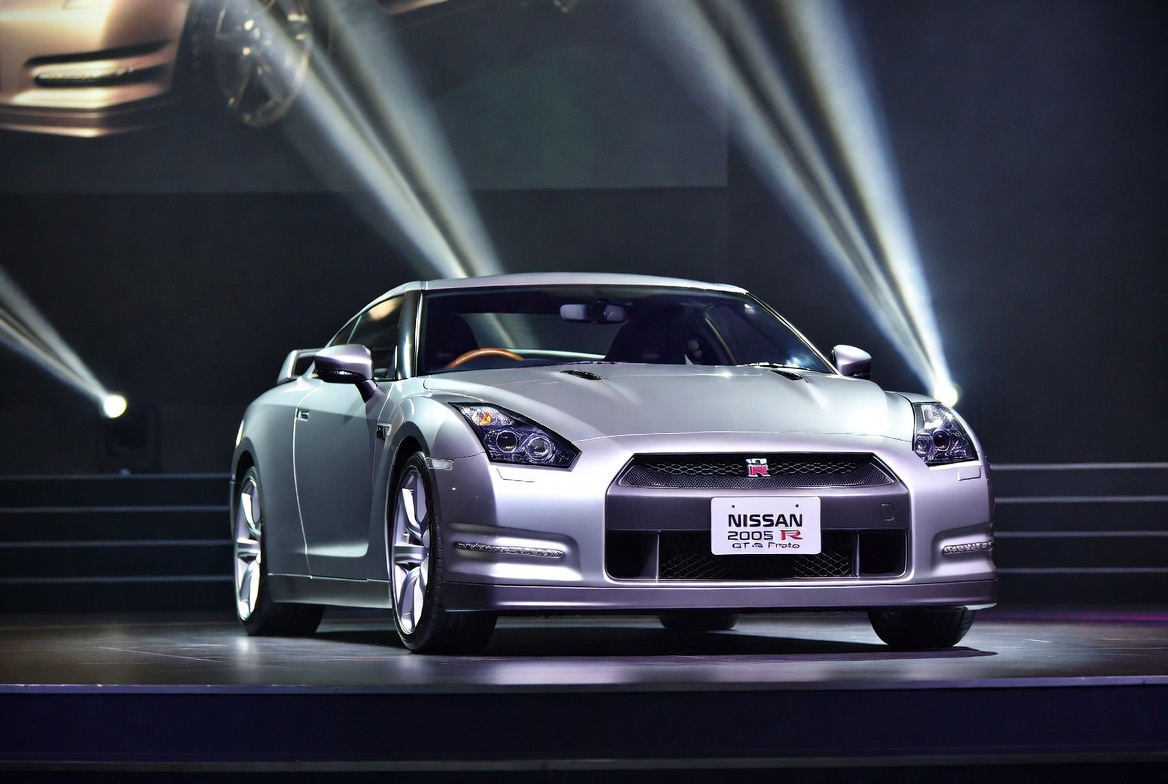
The design language that frames every drive — the proportions, the stacked quad headlights carrying fifty years of GT-R lineage, the haunches pressed into the body structure rather than bolted on as an afterthought — comes directly from the Proto. The specific design decisions behind all of it are covered in The Design Secrets of the 2005 Nissan GT-R Proto That Still Define the R35 Today, and it’s worth reading just to understand what you’re looking at when you walk back to your car in a parking lot. The shape still stops people. Not because it’s new. Because it was made with genuine intent.
The Proto bloodline also connects you to a community that operates at a different level. GT-R people tend to know things. They know why the ATTESA behaves differently in R Mode versus Normal. They know which model year GR6 calibrations to watch for. They know why the front subframe is bolted instead of welded. That depth of knowledge comes from the fact that these cars reward deep knowledge. The more you understand the Proto engineering philosophy, the more you get from the car.
In an automotive landscape progressively defined by screens, autonomy systems, and experiences engineered to feel seamless rather than engaged, the R35 is still loud about where it came from. It still pushes back. It still asks something from the person behind the wheel.
That’s the real emotional payoff. And it lands exactly the same way it always has.
Final Thoughts
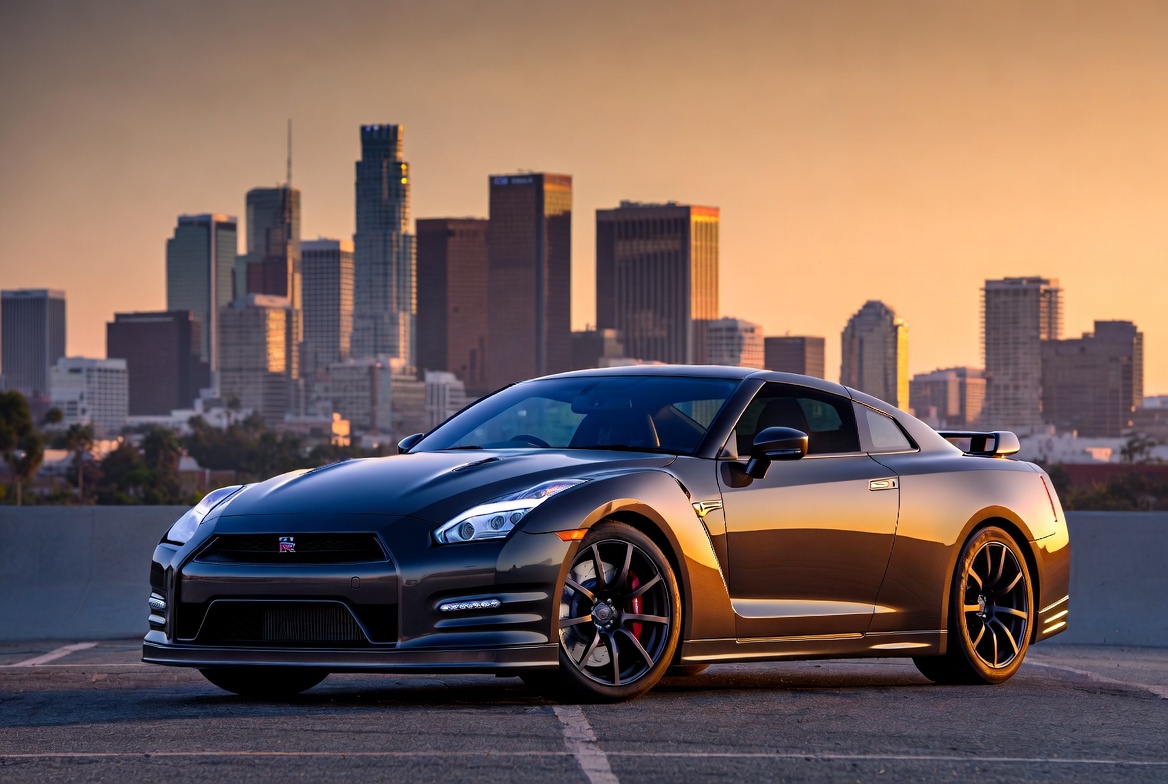
There’s a version of this story where Nissan played it safe in 2005. Where the GT-R Proto was a conventional concept exercise, a compelling brochure car with no real intention behind it. Where the production car shared a platform, hit the market at a modest price with modest ambitions, and quietly faded into the used car ecosystem about ten years later.
That version doesn’t exist. And the reason it doesn’t is the same reason you’re here, reading this in 2026, still thinking about a car that debuted before most of the current GT-R community had a driving license. Because Kazutoshi Mizuno and his team understood that the GT-R name demanded something that couldn’t be reasoned down to a comfortable engineering brief. The full story of how that refusal shaped the Proto is in 2005 Nissan GT-R Proto: From Tokyo Motor Show Prototype to R35 Legend – The Ultimate Used GT-R Buying Guide — read it if you haven’t, because the context changes how the car feels.
Every car carries its development history in its bones. Most cars, that history is a sequence of practical compromises. The R35 carries a history of deliberate overreach — of engineers deciding to solve problems nobody required them to solve, at standards nobody required them to meet, because it was the right thing to build.
Own that understanding. Every single time you drive it.
FAQ
Q: Does the Proto bloodline have any real effect on R35 reliability, or is it just enthusiast sentiment?
It has a genuinely practical effect. The engineering choices made during Proto development — purpose-built chassis, takumi engine assembly, the rear-mounted GR6 layout, the ATTESA AWD calibration depth — were made at a higher standard than cost-constrained platform sharing would have allowed. That standard translates directly into the durability characteristics of a well-maintained R35. It’s not sentiment — it’s demonstrated in every properly serviced high-mileage car still running cleanly today.
Q: Is the R35 genuinely livable as a daily driver in 2026, or does the Proto engineering make it demanding?
More livable than most people expect. The Comfort mode DampTronic calibration handles urban roads with reasonable compliance, the engine is tractable at low throttle, and the refined production development made real improvements to everyday usability over the raw Proto intent. The main adjustment areas are limited rear visibility and dated infotainment on earlier cars. If you can live with those, daily driving an R35 is entirely achievable — and more rewarding than most alternatives at the price point.
Q: What’s the single most important thing to understand from the Proto engineering philosophy before modifying an R35?
That every system in the car was designed as a balanced whole. The VR38, the GR6, the ATTESA, the chassis — all calibrated together at the factory output level. Modifications that add power or change behavior in one area without addressing connected systems are working against that balance. Service the transmission fluid, understand what’s already there, then build systematically. The Proto engineers created a complete system — modify it as one.
Q: Why does the R35 still feel relevant in 2026 when most cars from its era feel dated?
Because the engineering decisions were made against permanent targets — weight distribution, chassis rigidity, driver feedback, AWD response time — rather than against the competitive benchmarks of the moment. Permanent targets don’t date. The car still generates real downforce, still distributes weight correctly, still communicates through every surface, still rewards the driver in ways that require actual skill to access. That’s the Proto philosophy manifested. Good engineering doesn’t have a model year.