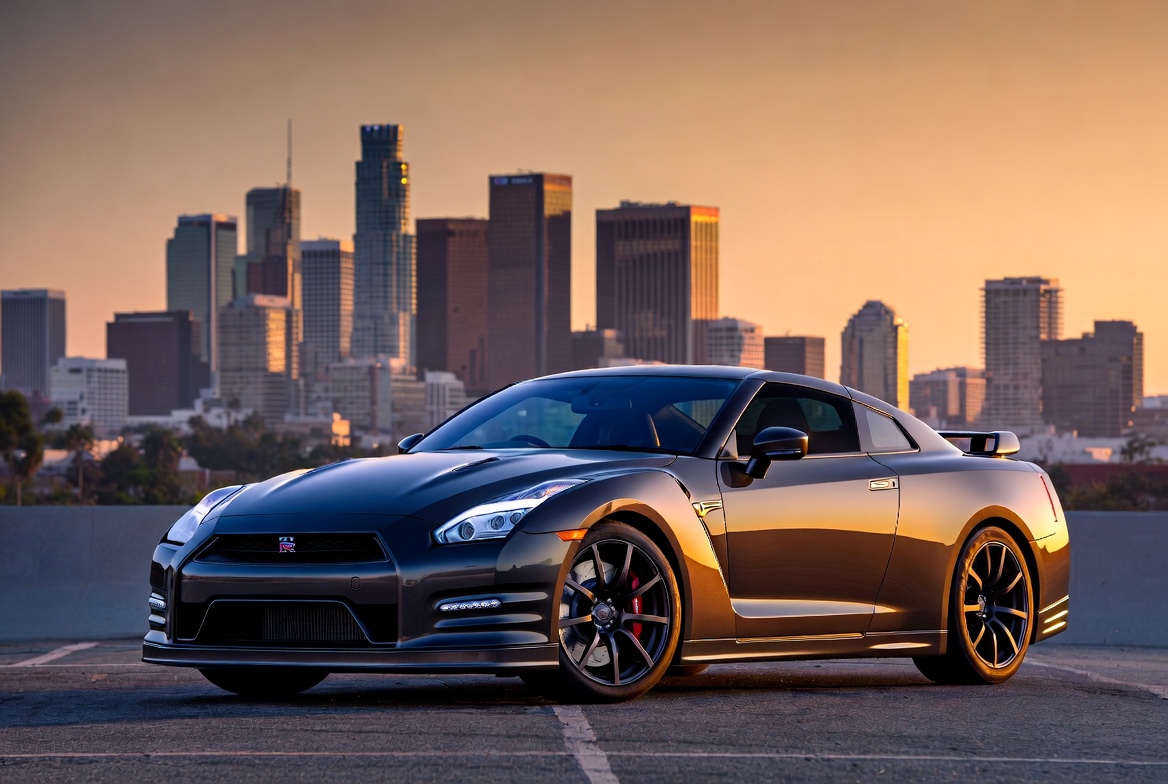
R35 GT-R: Original Parts With a Modified Car
The phrase original parts included deserves a detailed inventory when buying a modified R35 GT-R. A box of removed components may be incomplete, damaged or unrelated to the current car. Before assigning value to it, establish what was changed, what remains available and whether returning to a desired configuration is technically and financially practical.
Build a modification timeline
List changed intake, exhaust, cooling, suspension and other components as applicable, with dates and available invoices. Ask about supporting software work and retain workshop records. The goal is to understand the configuration, not to assume that every modification is harmful. An undocumented mixture of parts is harder to evaluate than a coherent, professionally recorded package.
Inventory each removed component
Request photographs, identifying numbers, quantity and condition. Include brackets, fasteners and associated fittings where relevant rather than naming only a headline assembly. Ask where the parts have been stored and whether they were removed because they failed. Original does not mean usable, and an incomplete kit may be costly to rebuild after the vehicle arrives.
Estimate reinstatement realistically
Have a qualified GT-R specialist assess the work and any additional requirements for the selected car. Mechanical parts alone may not settle software, calibration or inspection issues. Obtain a destination-specific opinion where registration or road use is affected. Do not price the deal as a standard car simply because a seller says everything can be put back easily.
Agree delivery and ownership records
Identify which parts are included in the price and how they will be packed and transported. Confirm carrier conditions before loading items with the car. Keep the inventory with the purchase agreement and compare it on arrival. If you prefer the modified setup, retain its service requirements and supporting records instead of treating the original-part collection as the main evidence of quality.
Match loose parts to the installed configuration
Ask for one inventory showing the modification currently installed, its supporting invoice and the original item offered alongside it. Photograph labels and connectors rather than relying on a pile of boxes. Separate reusable parts from items that a workshop considers damaged, incomplete or unsuitable for refitting. For an R35 with several previous owners, provenance may be uncertain; record that uncertainty instead of calling every loose component factory original. A specialist should check compatibility with the selected model year and current setup before the buyer assigns a restoration value to the collection.
Agree packing and acceptance for the parts
List each included item in the sale documents, with a condition note and photograph reference. Confirm how bulky or delicate components will be packed, secured and accepted by the carrier, and who will pay any additional shipping charge. Parts left at a workshop should not be treated as received simply because the car has been released. At delivery, compare the boxes with the agreed inventory and retain evidence of missing or damaged items. If the car will remain modified, store the original-parts record with service history so a future buyer can understand what is available and what still needs sourcing.
Questions before buying
Do included factory parts prove the car was not abused?
No. They describe available components, not operating history or mechanical condition.
Can the value of modifications be added to the asking price?
Only as part of a considered comparison. Installation quality, suitability and your intended use matter more than the original invoice total.