Is a Used R35 GT-R Worth Buying in 2026? The Proto Bloodline Advantage
Hero Introduction
People ask me all the time. At cars-and-coffee meets, on forum threads, in DMs from strangers who somehow found my old build posts. “Is the R35 still worth buying in 2026?” And honestly? The question always makes me smile, because my answer has been the same since I picked up my first one back in 2009.
Yes. Without hesitation. But you need to know exactly what you’re walking into.
I’ve owned three R35s — a 2009 launch-spec car I bought nearly new, a 2011 I picked up specifically as a track toy, and the 2015 I’m running right now. Each one has taught me something different. Each one has made me feel, every single time I pressed the throttle hard through a sequence of corners, that I was connected to something bigger than just a car.
That something bigger is the Proto.
If you haven’t gone deep on the origin story, start with the 2005 Nissan GT-R Proto: From Tokyo Motor Show Prototype to R35 Legend – The Ultimate Used GT-R Buying Guide — it explains why the concept shown at Tokyo in 2005 wasn’t just a motor show exercise. It was a commitment. A line drawn in the sand by Nissan saying: this is what a Japanese performance car can be when you stop making excuses.
The production R35 that followed was that promise made real. And in 2026, nearly seventeen years after the first of these hit North American showrooms, those cars are landing on the used market at prices that — relative to what you’re getting — are genuinely compelling. But compelling doesn’t mean simple. It doesn’t mean risk-free. And it absolutely does not mean you can buy one and ignore it.
This is the guide I wish I’d had before I bought my first one.
Why the Proto Bloodline Still Matters in 2026
Here’s something the mainstream car media tends to gloss over when they recycle their “should I buy an R35” articles: the reason these cars don’t go obsolete is exactly because of the engineering decisions locked in during the Proto development phase.
We covered the technical details in Nissan GT-R Proto vs Production R35: Key Differences That Shaped the Legend. But the ownership-relevant version is this — when Nissan built the Proto, they were not building to a price point. They were building to a performance target and working backwards from there. The GR6 dual-clutch transaxle mounted at the rear axle. The purpose-built platform sharing zero structure with any other Nissan product. The ATTESA E-TS AWD system calibrated with genuine race-car precision. None of that was diluted in the production car. It was refined.
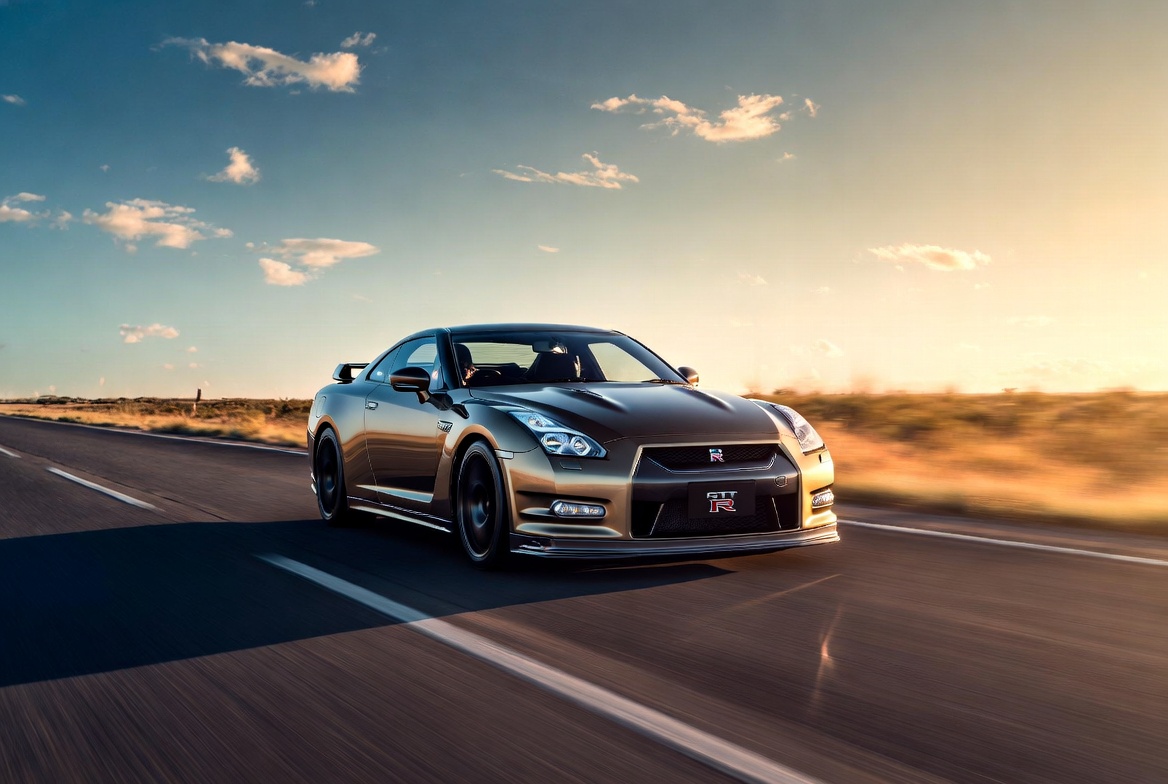
That matters for ownership in a deeply practical way. When you buy a used R35 in 2026, you are not buying a car that’s aging out of relevance. The bones are still right. The multi-link rear suspension engineered during Proto testing is still a benchmark for wheel control at corner entry. The VR38DETT, hand-assembled by a single takumi technician in Yokohama, still competes with engines costing far more to develop and build. The deliberately engineered 53/47 front-to-rear weight distribution still makes this car feel more planted and neutral than many modern sports cars designed a decade later.
What nobody tells you is that this engineering foundation also means the car ages gracefully when maintained correctly. I’ve seen 2009 R35s with 80,000 miles running like absolute weapons. I’ve also seen 2012 cars with 30,000 miles quietly nursing serious drivetrain problems. The difference is always — always — maintenance history and whether the previous owner understood what they had.
The Proto DNA gives you a platform that rewards respect and punishes neglect faster than most cars its age.
The value argument is equally hard to dismiss. In 2026, a clean R35 in the $60,000–$85,000 range delivers performance credentials that compete with new cars at twice that price. The reason is straightforward: the engineering was overbuilt for its era, and overbuilding ages well. That’s not sentiment. That’s physics.
Best Model Years for a Used R35 Right Now
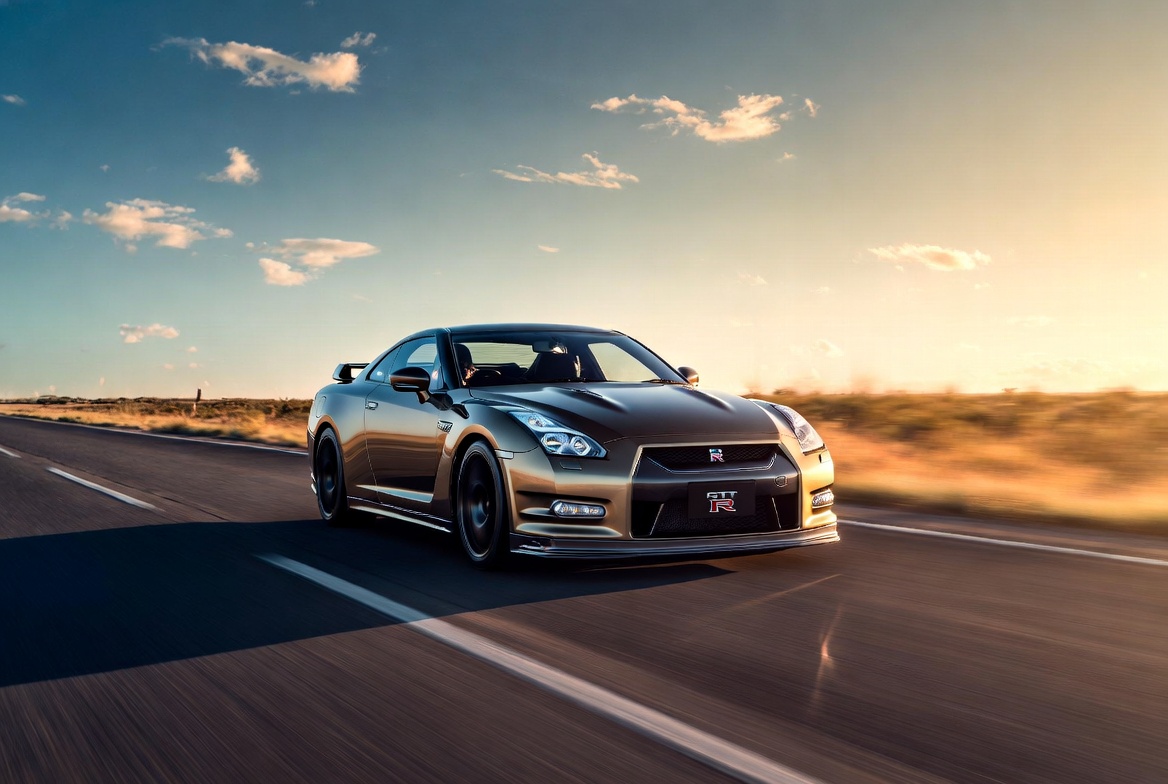
Let’s get specific. Because “just buy an R35” is not useful advice, and anyone who tells you one year is exactly like another hasn’t owned enough of them.
2009–2011: The Original Spec Cars
These are the cars closest to the raw Proto-era engineering intent. The 2009 US-spec launched at 485 hp and 434 lb-ft from the VR38DETT, paired to the original GR6 calibration. They’re the cheapest entry point now — typically $50,000 to $70,000 for a clean, documented example in 2026 depending on mileage and condition.
What you need to know: early GR6 units used clutch pack materials that were revised in later model years. Under regular use with proper maintenance, they’re fine. Under repeated hard launches without proper transmission fluid service, they develop shudder and wear faster than they should. I ran my 2009 for over four years without a gearbox problem — because I changed the transmission fluid every 20,000 miles without exception. No documented trans fluid changes on the car you’re looking at? Walk away, or factor an immediate inspection into your budget.
The 2010 SpecV is its own category entirely. Limited production, carbon ceramic brakes, meaningful weight reduction. If you find a clean, documented one, that’s a completely different conversation. Prices reflect the rarity accordingly.
2012–2016: The Facelift Generation
The 2012 model year brought a revised front fascia — and more importantly, a power bump to 530 PS for JDM spec — along with updated ECU calibration and revised transmission software that improved clutch engagement and reduced wear rates on the GR6. These cars are generally the sweet spot for buyers wanting improved refinement without late-model prices.
Budget $70,000–$100,000+ for a documented, clean example. Yes, the spread is wide — because condition and service history genuinely matter more than model year on these cars.
2017 and Later
550+ PS, revised suspension calibration, updated interior. The most refined R35s carry the highest used prices. If you want minimum hassle and maximum spec, this is your range. If you’re budget-conscious and willing to be the careful, attentive owner, earlier cars will reward you just as deeply.
My honest recommendation in 2026: find the cleanest, most documented 2012–2014 car your budget allows. That’s the sweet spot between Proto-era engineering purity and the real-world refinements Nissan’s team earned through development.
Real Ownership Costs and Gotchas in 2026
Let me be direct here. This is where people get hurt.
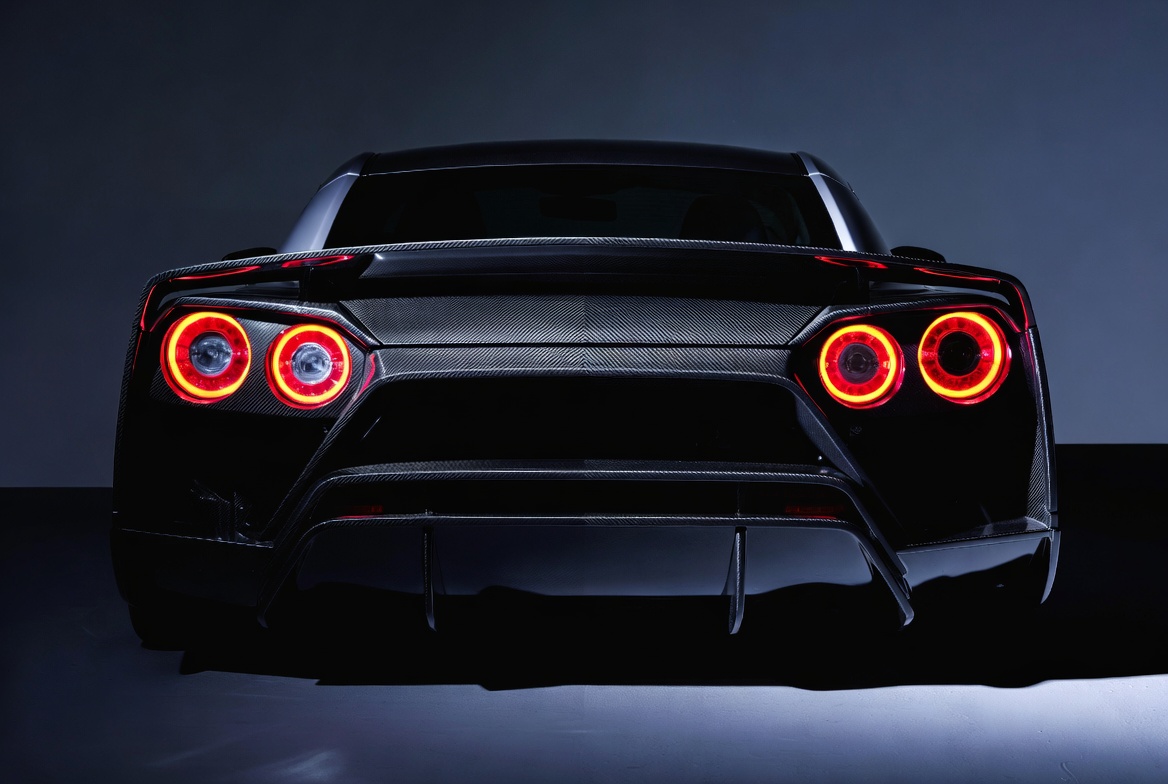
The transmission fluid is the single most important thing. I cannot say this loudly enough. The GR6 dual-clutch transaxle needs fresh fluid every 20,000 to 30,000 miles under normal use. Hard use — track days, repeated launch control — tightens that interval to every 15,000 miles. The fluid degrades under sustained heat, clutch packs generate fine particulates, and if you let it go, you’re looking at a gearbox rebuild starting around $5,000 for parts on an early unit. I’ve watched this happen to people who bought “clean” cars with zero transmission service records. Don’t be those people.
Oil changes: correct spec is not optional. The VR38DETT was designed around specific viscosity requirements. Using incorrect oil in a high-revving, high-compression engine with tight tolerances is exactly as bad as it sounds. Budget $200–$300 per change including filter depending on your market and shop.
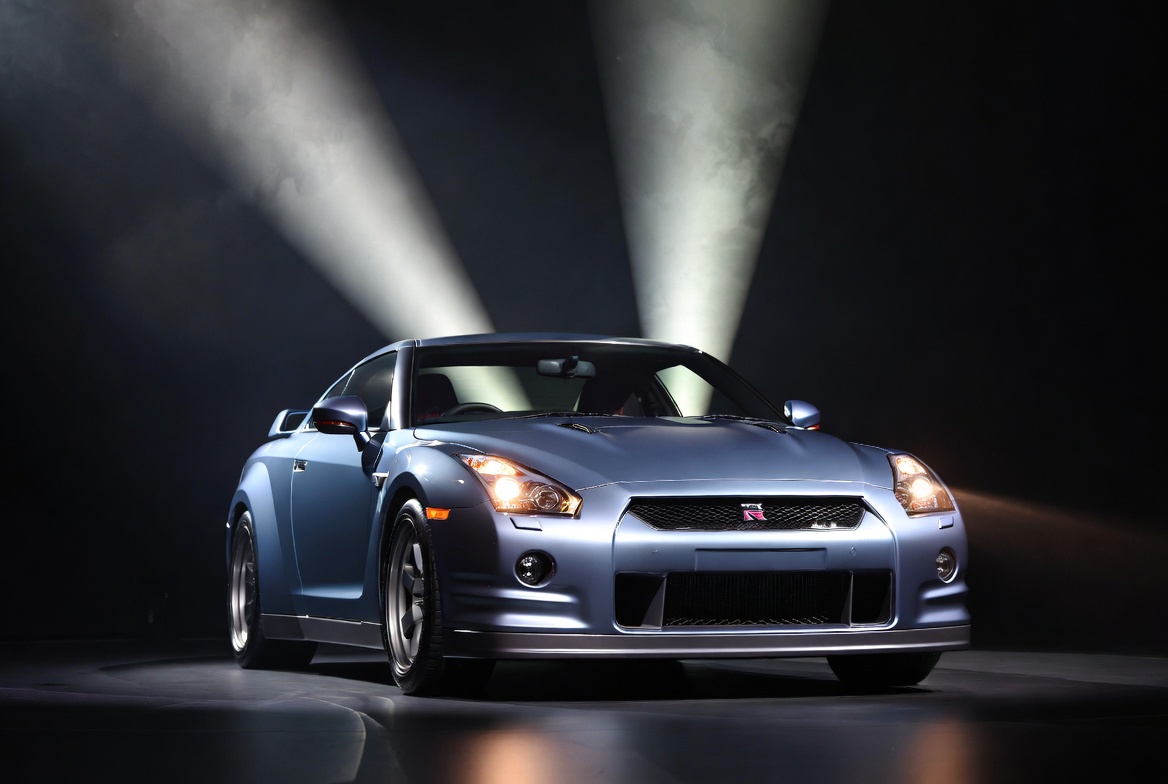
Water pump. On higher-mileage cars — anything beyond 60,000 miles — this is on your watch list. Not an emergency item, but a known service point. Build it into your purchase negotiation if the car is getting there.
Tires. The R35 will eat an ultra-high-performance set in under 15,000 miles if you drive it properly. A matched set of capable rubber runs $1,200–$1,800 installed. Don’t buy cheap tires for a car that corners at 1.0 g. It’s dangerous, and it destroys the entire experience the Proto engineers spent years calibrating.
Launch control abuse is the hidden killer. The ECU logs these events and any competent shop can pull that data. I’ve seen cars with 25,000 miles on the clock showing 400+ launch control events. That affects clutch packs, front subframe mounting stress, and drivetrain longevity across the board. Pull the logs before you buy. Every single time.
Realistic annual maintenance budget for a well-maintained used R35 in 2026, excluding tires: $2,500–$4,500 depending on model year and usage. More if you’re tracking it seriously. Budget honestly.
How to Spot a True Proto-Spirit Car
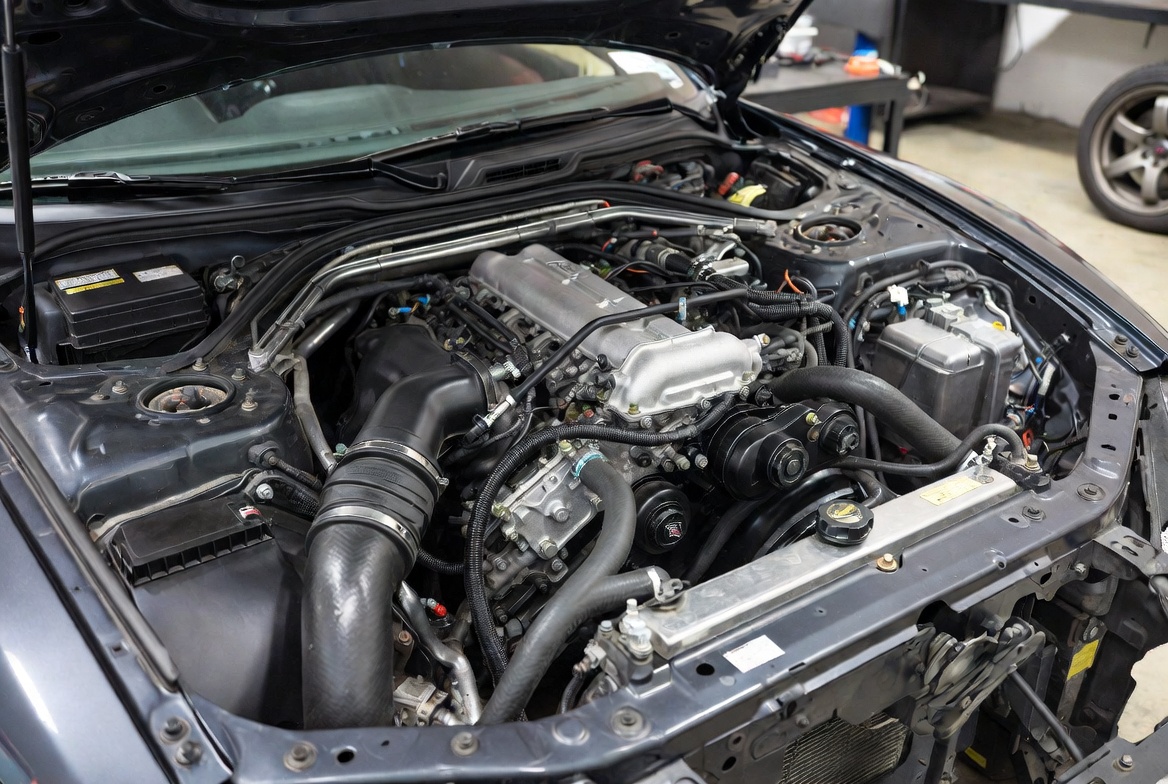
A “Proto-spirit car” is what I call an R35 that has been maintained with the same seriousness Nissan’s engineers built into it. They exist. They’re not rare unicorns. But you have to know how to find them.
Documents first, always. A genuine example comes with a service history you can read, date-verify, and cross-reference against the odometer. Transmission fluid services with clear mileage records. Oil change invoices from reputable shops or dealers. Any rebuild or modification paperwork with scope of work included. If the seller hands you a car documented by nothing but a vague “always maintained,” keep walking.
ECU data is non-negotiable. You want launch control event counts, any logged fault codes, and — on modified cars — evidence of who tuned it and what the parameters look like. A car with a suspiciously clean ECU history has either been stock and careful, or has been reset to hide something. Know which one you’re dealing with.
Physical check points that matter:
- Front subframe mount areas — look for stress cracking or deformation around bolt holes on hard-used examples
- Differential fluid — should be clean amber. Black fluid or metallic particulate means it’s been ignored
- Clutch shudder test — during a slow, steady pull from a stop, feel carefully for vibration through the drivetrain
- Tire wear pattern — uneven front wear points to alignment problems or suspension damage
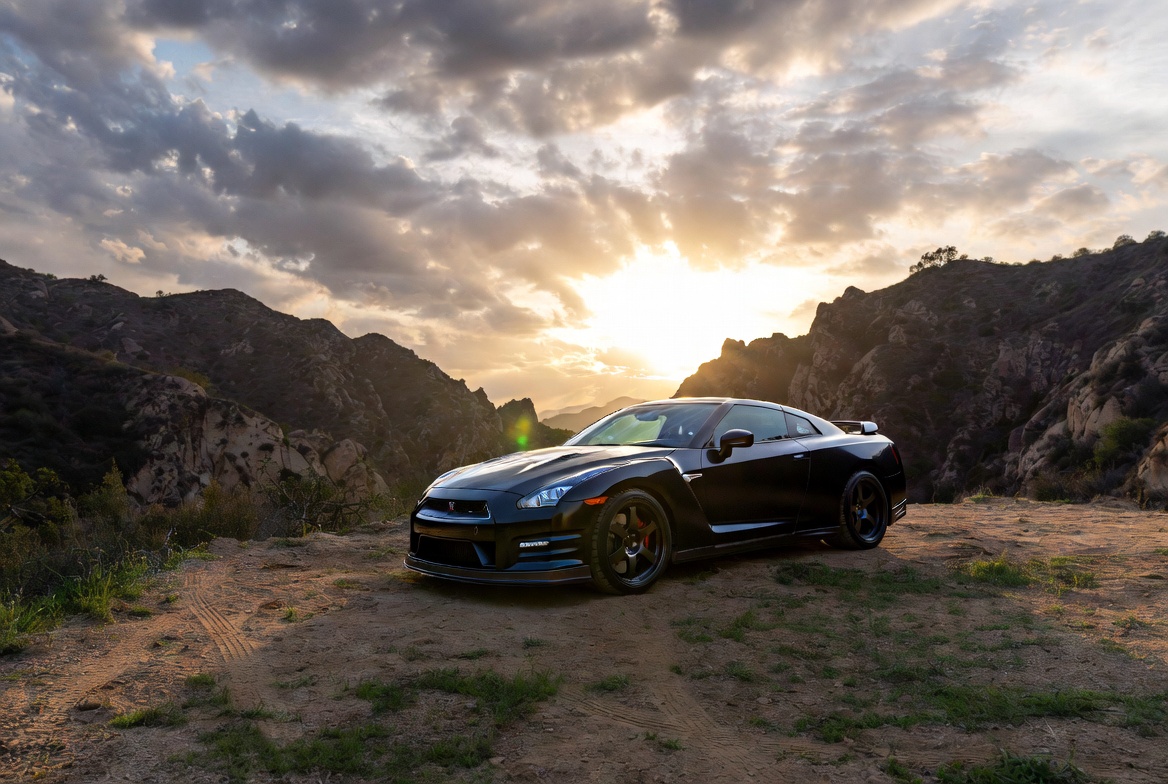
Red flags that end the conversation immediately: no transmission fluid records, ECU showing 300+ launch events, anonymous tune with no documented tuner or scope of work, and any seller who gets defensive when you request an independent pre-purchase inspection. Any single one of those is enough to walk.
A Proto-spirit car isn’t just mechanically clean. It’s a car someone understood deeply enough to actually take care of.
Final Thoughts
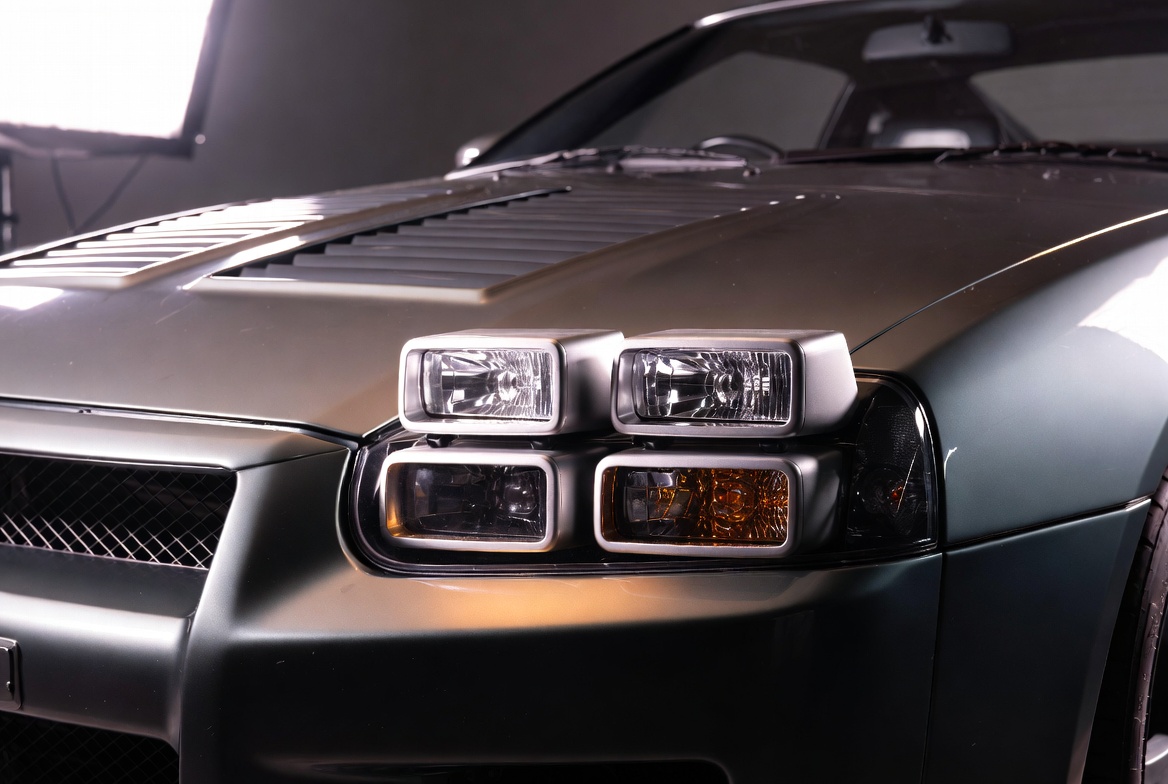
I still get the same feeling I got watching that Proto get unveiled in Tokyo in 2005. Every time I drive an R35 the way it deserves to be driven — properly committed, with the VR38 on boost and the ATTESA sorting out the physics in real time — I feel the intent behind it. The seriousness. The refusal to cut corners on anything that matters.
When you buy a used R35 in 2026, you are not buying a depreciated asset. You are buying into an engineering philosophy that was committed to the world’s attention at a motor show over two decades ago, then delivered on — in full — on public roads worldwide.
The price of entry has never been lower relative to what you’re getting. The community knowledge base — from specialist forums to workshops to deep-archive guides like this — has never been richer. The cars haven’t stopped being relevant. They’ve just become accessible.
Maintain it the way Mizuno’s engineers deserved. Drive it the way the Proto intended. You won’t regret a single mile.
FAQ
Q: What’s the single most critical maintenance item on a used R35?
The GR6 transmission fluid — full stop. Change it every 20,000 to 30,000 miles under normal use, tighter if you’re tracking the car or using launch control regularly. Neglected transmission fluid is responsible for more expensive R35 repairs than any other single factor. Verify documented service history on this before you buy anything.
Q: Are the 2009–2011 cars still reliable enough to buy in 2026?
Yes, with the right history behind them. The early cars carry the most direct Proto-era engineering intent and the VR38DETT itself is an extremely durable engine when properly maintained. The main risk on early examples is the original GR6 clutch pack spec and any deferred maintenance from previous owners. A well-documented early car in 2026 is still a genuinely exceptional machine.
Q: Is high mileage a dealbreaker on a used R35?
No. Mileage alone tells you almost nothing on these cars. Maintenance history relative to mileage tells you everything. A documented 85,000-mile car with complete service records and clean ECU data is almost always a better buy than an undocumented 28,000-mile car with a mysterious past. Pull the ECU, verify the records, inspect the physical condition — that’s your real picture.
Q: Should I be worried about buying a modified R35?
It depends on the modification trail. A car with a documented tune from a reputable GT-R specialist, known supporting modifications, and clear paperwork can be excellent. A car with an anonymous tune, unknown power level, and no documented modification history is a financial liability you cannot properly price. If you can’t trace the modifications to a specific shop with a specific scope of work, factor the risk in accordingly — or walk.
Q: How does the R35 stack up against other performance cars in its used price range in 2026?
Exceptionally well. The R35’s purpose-built platform, its hand-assembled VR38DETT, and the depth of the enthusiast and specialist support network make it one of the most compelling performance car purchases in the $60,000–$100,000 used segment. You are getting technology that was genuinely ahead of its time in 2007, supported by one of the most technically serious enthusiast communities on the planet. The Proto bloodline is a real, practical advantage — not just an emotional one.