Used performance cars can be exciting export products, but they require more discipline than ordinary commuter vehicles. Buyers in Africa and CIS markets often face a difficult balance: they want a car that creates status, emotion, and driving pleasure, yet they also need reliability, parts access, realistic maintenance costs, and clean documents. A badly chosen performance car can turn from dream inventory into an expensive lesson. China has become an important sourcing market because it offers a wide mix of vehicles: Japanese performance icons, German premium cars, Chinese EVs, plug-in hybrids, crossovers, and sedans. The challenge is not finding cars. The challenge is choosing the right car for the destination market. An exporter working with Panda Used Cars should think beyond the listing photo. The right question is not "Is this car fast?" The right question is "Can this car arrive, sell, and satisfy the buyer in its final market?"
Start with Local Market Reality
Africa and CIS are not single markets. A car that works in Almaty may not work in Lagos. A vehicle that sells easily in Moscow may be too risky for a smaller city with limited specialist workshops. Before choosing a used performance car, buyers should study local fuel quality, road conditions, service access, parts supply, import rules, and customer expectations. For example, a GT-R may be a strong image car in a city with active enthusiast communities and specialist technicians. In a region with poor parts access and rough roads, a high-performance crossover or premium EV may make more sense. The best choice is the car that fits the buyer's environment, not only the buyer's dream. This is why exporters should ask destination questions early. Where will the car be used? Is there a trusted workshop? Are tires and brake parts available? Can the buyer support a dual-clutch gearbox or high-output turbo engine? Honest answers prevent bad deals.
Choose Between Icon, Daily Performance and Practical Premium
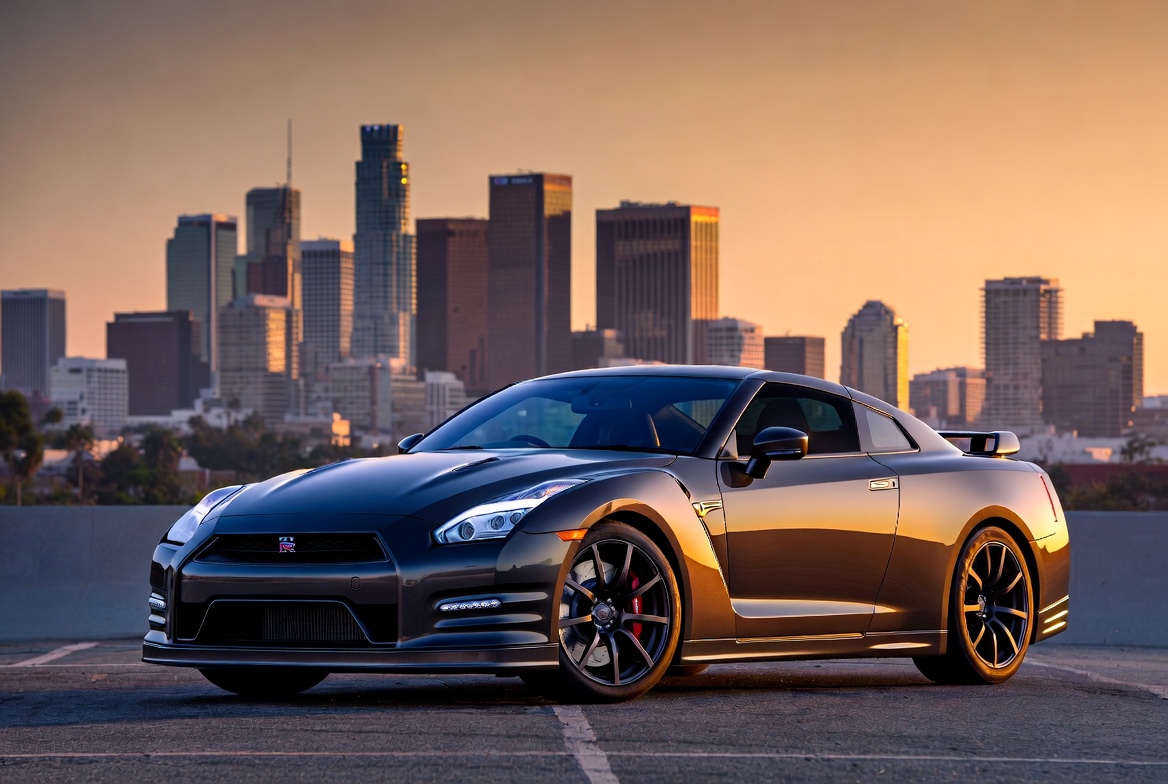
Performance buyers usually fall into three groups. The first group wants an icon. These buyers look at cars like the Nissan GT-R because they want history, status, and mechanical character. They may accept higher maintenance costs because the car means something to them. The second group wants daily performance. They want strong acceleration, comfort, and technology without the demands of a pure enthusiast car. A Chinese EV or plug-in hybrid may fit this buyer better. A model such as Li L7 Ultra can be positioned as premium, fast, and family-friendly, even if it does not offer the same motorsport identity as an R35. The third group wants practical premium inventory. These buyers may start by asking about performance but end up choosing an SUV, crossover, or sedan that is easier to resell. They may compare performance models with a BMW iX1 from China, Toyota RAV4, BYD crossover, or similar vehicle.
Inspection Must Match the Vehicle Type
Every used performance car needs inspection, but the checklist changes by powertrain. A GT-R needs engine, gearbox, underbody, brake, tire, and modification checks. A Chinese EV needs battery, charging, software, suspension, accident repair, and high-voltage inspection. A plug-in hybrid needs both combustion and battery-system checks. Do not let clean photos replace mechanical evidence. Export buyers should ask for videos, cold-start clips, diagnostic scans, service records, paint-meter readings where possible, and detailed underbody photos. If the car is expensive or specialized, a third-party inspection is usually cheaper than a mistake. For performance cars, modifications deserve special attention. A tuned engine, upgraded turbo, lowered suspension, or aftermarket brake kit can add value only when the work is documented. Unknown modifications reduce confidence and should reduce price.
Documentation Is Part of the Product
Export buyers often focus on car condition and forget paperwork until late in the deal. That is risky. Documents are not an administrative afterthought; they are part of the product. A car with excellent condition but incomplete documents can create delays, extra costs, or cancellation. Before payment, confirm the title, registration, invoice, export eligibility, customs requirements, and destination-market rules. Some countries have age limits, emissions requirements, steering-position rules, or restrictions on accident-history vehicles. If the buyer plans to finance or resell the car, document clarity becomes even more important. The best exporters prepare a document package that is easy for the buyer to understand. Clear paperwork builds trust and makes the car easier to sell after arrival.
Think About Parts Before Shipping
A performance car is not sold only once. It is sold again every time the buyer needs service and discovers whether parts are available. Before exporting a GT-R, confirm whether the destination market can access tires, brake pads, fluids, filters, sensors, and gearbox service support. Before exporting an EV, confirm charging equipment, diagnostic support, and body parts. African buyers may prioritize durability, ground clearance, cooling performance, and simple service access. CIS buyers may care more about winter performance, parts availability, and known repair networks. Each market has its own logic. This does not mean buyers should avoid exciting cars. It means the excitement must be supported by a realistic plan. A well-chosen GT-R in the right city can be excellent. A poorly chosen one in a market with no support can damage the seller's reputation.
Price the Car as a Landed Product
The advertised price is only the beginning. Export buyers need to calculate inspection cost, inland transport, port fees, shipping, insurance, customs duties, taxes, registration, local compliance, and first-service budget. A car that looks cheap at origin may become expensive after landing. This is especially important for performance cars because the first service can be significant. Tires, brakes, fluids, battery, and diagnostic work may be needed immediately. A buyer should not spend the entire budget on purchase price. Professional dealers should present a landed-cost estimate with notes. If some costs are uncertain, say so. Transparency is better than pretending the number is fixed and then surprising the buyer later.
Use Photos to Build Confidence
Useful export photographs document visible condition; they are not proof of mechanical health. Show exterior panels, interior wear, engine bay, wheels, tires, brakes, underbody, service documents, odometer, screen language, warning lights, and VIN plate. A buyer far away needs visual evidence to make a confident decision. For a performance car, include driving videos when possible. Show idle, acceleration, braking, low-speed gearbox behavior, steering response, and dashboard status. A GT-R buyer will appreciate detail. A cautious importer will appreciate proof. Ask for dated photographs tied to the identified vehicle, including disclosed defects. Photographs support an inspection but do not prove mechanical condition.
Best Car Types for Different Buyers
For status-focused buyers, a clean R35 GT-R, Supra, M-series BMW, AMG, or similar performance model can work. For family buyers who still want speed, Chinese plug-in hybrids and premium SUVs may be more practical. For cost-conscious buyers, reliable sedans and crossovers may sell faster and create fewer service issues. The smartest exporters do not push every buyer toward the most expensive car. They match the product to the customer's road conditions, income level, workshop access, and resale plan. That approach creates repeat business. If a buyer wants the GT-R image but cannot support GT-R costs, offer alternatives honestly. A fast EV, sporty crossover, or clean premium sedan may satisfy the need without creating ownership stress.
Final Advice for Africa and CIS Buyers
Choose the car that fits your market, not only your imagination. A used performance car from China can be a strong purchase when inspection, documentation, landed cost, and service support are handled properly. The wrong car, even at a low price, can become expensive after arrival. For exporters, the winning formula is simple: understand the destination, inspect the vehicle deeply, document every important detail, and explain ownership costs before the sale. That is how performance-car exports become a long-term business instead of a one-time gamble.