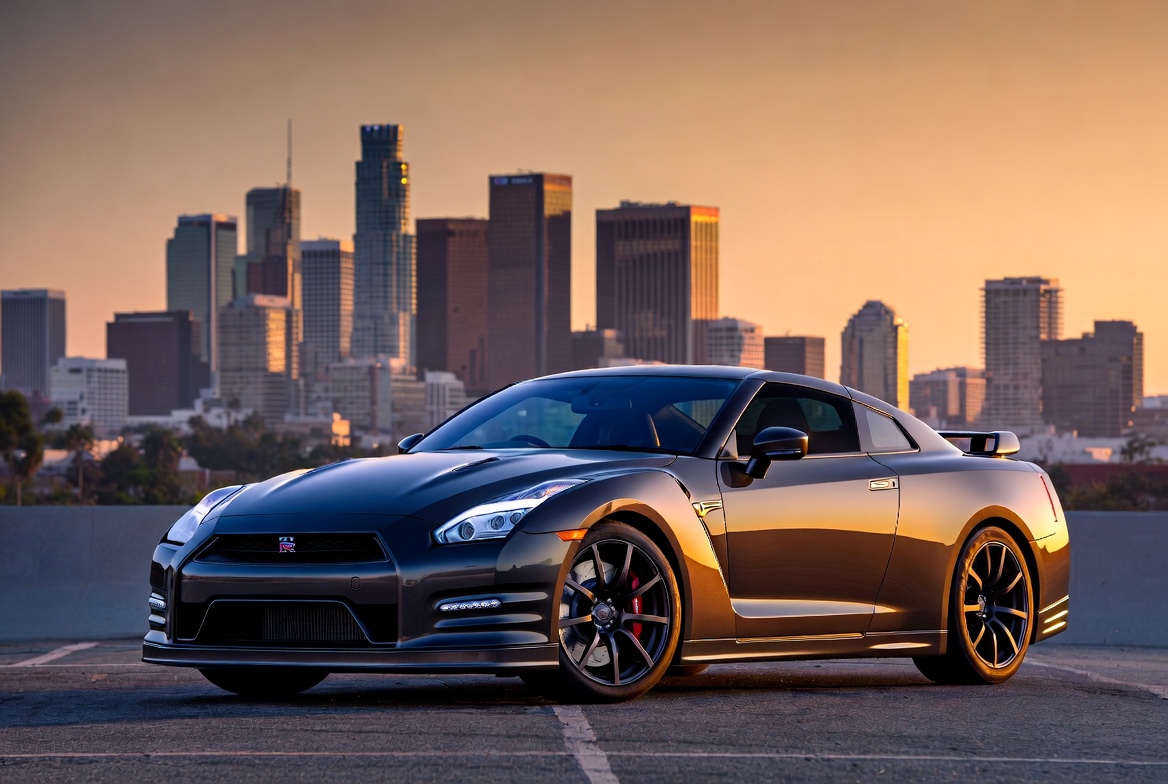
Consumables are not small details on a GT-R
On an ordinary used car, tires and brakes are often treated as negotiation items. On a used R35 GT-R, they are part of the real purchase price. A car that looks five thousand dollars cheaper can lose that advantage immediately if it needs tires, pads, rotors, sensors, alignment, and shipping-related preparation. Export buyers should check these items before the car leaves the origin market. Some destination countries have limited performance-tire supply, higher import duties on parts, or fewer workshops familiar with the GT-R. Solving the problem early is usually cleaner than discovering it after arrival.
Tire age matters as much as tread
Tread depth is only the first check. Look at the tire date code, brand, model, load rating, speed rating, and whether all four tires match. A GT-R on mismatched tires is not automatically unusable, but it suggests poor maintenance judgment. The car's all-wheel-drive system and performance character deserve proper tires. Old tires can look acceptable in photos while being too hard for safe spirited driving. Sidewall cracks, flat spots from storage, shoulder wear, or inner-edge wear should be photographed clearly. If the car has been sitting, ask for a road test that checks vibration at speed.
Brake condition can change the whole deal
Brake inspection should include pad life, rotor surface, rotor thickness where measurable, cracks, grooves, vibration, fluid condition, and pedal feel. A short video of a normal stop and a firmer stop can be helpful, but it cannot replace a real inspection. Some sellers describe brakes as "good" when they mean the car stops. That is not enough for a GT-R. Ask whether the brake fluid has been replaced on schedule and whether the car has seen track days. Heat marks are not always fatal, but repeated heavy use should be reflected in the price. If you are using Panda Used Cars export inventory to compare several cars, create a small table for each GT-R: tire date, tire model, tread, brake-pad estimate, rotor condition, and immediate maintenance cost. This makes the expensive car and the cheap car easier to compare honestly.
Wheel damage and alignment clues
Inspect the inside of the wheels, not only the visible face. Inner-barrel bends, repaired cracks, and poor refinishing can be missed in normal listing photos. Curb rash is cosmetic; a bent wheel is a driving issue. Uneven tire wear may point to alignment, suspension bushings, previous impact, aggressive camber, or track setup. A car with modified suspension should have an alignment report. Without one, assume you may need inspection and adjustment before resale.
When to replace before shipping
Replacing tires before shipping makes sense when the existing set is old, mismatched, damaged, or difficult to source in the destination market. Replacing brakes before shipping depends on cost and urgency. If the car can be shipped safely but needs brakes soon, the buyer may choose to handle it locally. If the destination has limited parts access, doing the work before export may save weeks. Buyers comparing performance ownership with easier daily-use stock should look at very different models too. A resource like BYD Sealion will not answer GT-R questions, but it helps show how running-cost expectations change when the vehicle mission changes.
A simple rule
Do not calculate GT-R value from the listing price alone. Calculate it from listing price plus tires, brakes, fluid service, alignment, inspection, export handling, and the first month of ownership. That number is closer to the truth. A GT-R with fresh, correct tires and documented brake condition may be worth paying more for. It reduces uncertainty, improves buyer confidence, and makes the car easier to present when it reaches the next market.