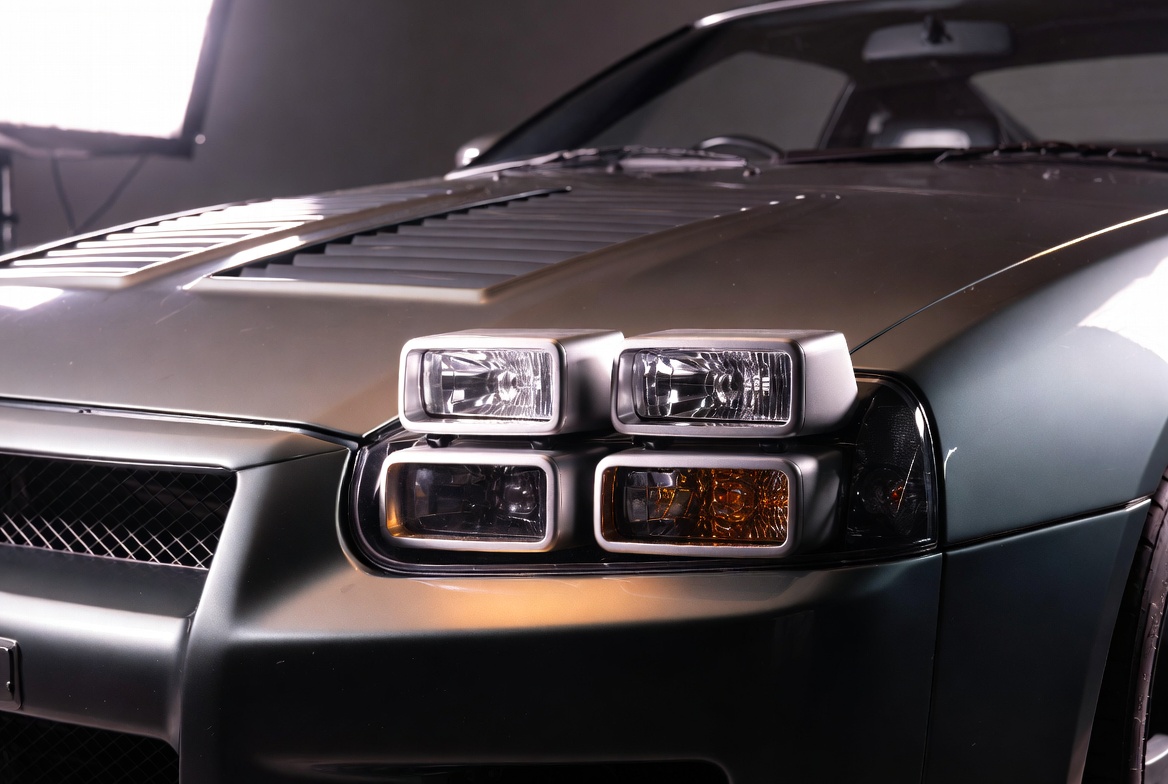
The performance-car market has changed faster than many enthusiasts expected. Ten years ago, comparing an R35 GT-R with a Chinese electric performance car would have sounded strange. In 2026, it is a real buyer conversation. The GT-R still offers mechanical drama, tuning depth, and a legendary origin story. Chinese EVs offer instant torque, low maintenance complexity, modern cabins, and increasingly serious acceleration. For used-car exporters and international buyers, the point is not to declare one winner. The point is to understand how different buyers define value. Some customers want the emotional weight of a VR38DETT and the R35's motorsport-adjacent reputation. Others want a fast EV with newer technology, easier daily use, and a lower fuel burden. A smart dealer can explain both choices without forcing them into the same category. This is especially relevant for buyers browsing china used cars alongside model-specific resources such as used Zeekr 001 or BYD Sealion. The modern performance conversation now includes combustion legends and electric challengers.
The GT-R Still Wins on Mechanical Character
The R35 GT-R is not just fast. It feels engineered. The steering weight, dual-clutch shift behavior, turbo response, ATTESA all-wheel-drive logic, and chassis balance give the car a layered personality. It asks the driver to pay attention. It rewards technical curiosity. It makes every maintenance record and every mechanical detail feel like part of the ownership ritual. That matters to enthusiasts. A GT-R buyer is not only buying acceleration. They are buying the Proto story, the hand-assembled VR38, the long development culture, and a platform that proved Japan could build a supercar rival on its own terms. This kind of identity is difficult for new EV brands to copy quickly. In resale markets, that identity supports value. A clean, documented R35 can still attract buyers years after newer cars surpass its acceleration figures. The GT-R is not dependent on being the newest or the quickest. It is valuable because it is recognizable, respected, and technically serious.
Export buyers comparing performance inventory with broader China sourcing can use china used cars as a reference point while building a shortlist.
Chinese Performance EVs Win on Daily Usability
Chinese EVs are changing buyer expectations. Many offer strong acceleration, quiet cabins, large screens, advanced driver assistance, and lower routine maintenance. For buyers in cities where fuel quality, traffic, or emissions policy matters, an EV can feel more practical than a high-performance combustion car. The Zeekr 001 is a useful example because it blends shooting-brake practicality with strong electric performance. A customer researching used Zeekr 001 is not always the same person shopping for a GT-R, but there is overlap among buyers who want something fast, distinctive, and exportable from China. BYD's newer EV and plug-in hybrid products also matter. Some buyers may compare a sports car dream against a more rational vehicle like BYD Yuan Plus for daily use or BYD Song Plus EV for family practicality. The GT-R wins the emotional argument. The EV or crossover may win the ownership-cost argument.
Acceleration Is No Longer Enough
One of the biggest changes in the market is that acceleration has become common. Many EVs can deliver brutal straight-line launches without the drama, heat, or mechanical stress associated with high-output combustion cars. That changes how a GT-R should be sold. Do not sell an R35 only as a 0-100 km/h number. Sell it as a complete performance machine. Talk about repeatability, chassis feel, braking confidence, specialist support, community knowledge, and the tuning ecosystem. A GT-R is a car people study. A fast EV is often a car people use. Both values are legitimate, but they are different.
When the customer wants a practical daily-driver alternative, model pages such as BYD Qin Plus help separate emotional demand from resale demand.
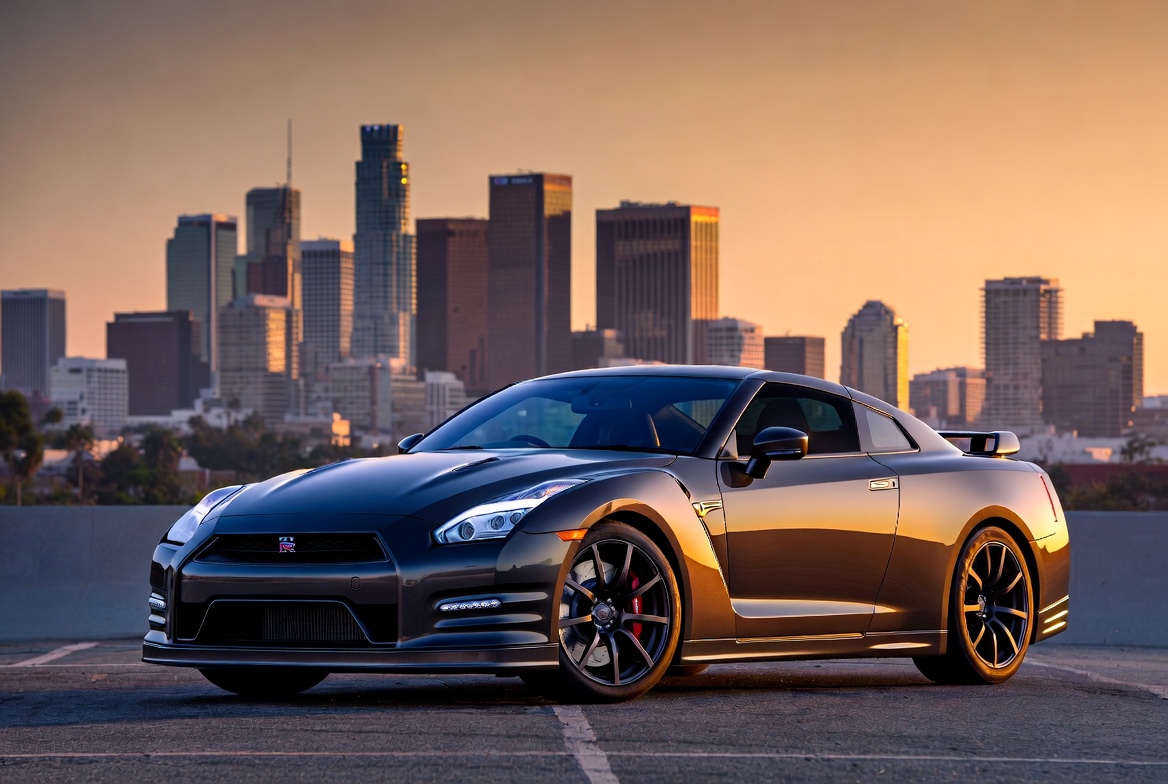
Maintenance Comparison: Simple Does Not Always Mean Cheap
EVs remove many combustion-car service items: engine oil, spark plugs, turbo plumbing, exhaust systems, fuel pumps, and gearbox fluid in the traditional sense. That makes them attractive to daily drivers and fleet-minded buyers. However, battery condition, software support, charging compatibility, suspension wear, tires, and accident repair quality still matter. The GT-R has more routine maintenance, but its known issues are well documented. Buyers know to check GR6 service, launch-control history, differential fluid, brake condition, and modification quality. The R35 community has built a deep knowledge base over many years. That can make inspection more predictable than some newer EVs where long-term data is still developing. For export buyers, the question becomes: which risk is easier to explain to your customer? A GT-R has mechanical risk but strong enthusiast literacy. A Chinese EV may have less routine service but more questions around charging, battery state, software language, and local repair infrastructure.
Market Position in Africa, South America, and CIS Countries
In many export destinations, the GT-R remains a halo car. It attracts attention, builds dealership credibility, and gives a used-car business a performance image. Even if it is not the highest-volume seller, it can bring serious buyers into conversation. Chinese EVs and plug-in hybrids may have broader volume potential, especially where customers want newer vehicles at competitive prices. A buyer who cannot justify a GT-R may still be interested in a fast sedan, a premium crossover, or a practical EV. That is why a mixed export strategy can work well: use iconic cars for brand attention and practical Chinese models for volume. Dealers should present this honestly. The GT-R is for buyers who accept maintenance and want heritage. Chinese EVs are for buyers who prioritize technology, comfort, and daily efficiency. Both can sit in the same inventory strategy.
What to Tell a Buyer Who Is Undecided
Ask how they will actually use the car. If they want weekend drives, status, mechanical involvement, and long-term enthusiast appeal, the GT-R is difficult to replace. If they want daily comfort, low noise, modern tech, and strong acceleration without mechanical drama, a Chinese EV may be a better fit. Ask about local service. A GT-R needs access to specialist knowledge. An EV needs charging support and battery-aware diagnostics. Ask about resale. Some markets understand GT-R value immediately. Others may be more responsive to newer Chinese brands because they are easier to finance and maintain. Finally, ask about emotion. That may sound unprofessional, but performance cars are emotional products. A buyer who has wanted a GT-R for ten years will not be fully satisfied by a fast EV. A buyer who wants effortless modern speed may find the GT-R too demanding.
Before quoting a final landed price, it is useful to compare GT-R expectations with mainstream import demand around Volkswagen Tiguan L export guide.
The Best Dealers Can Explain Both
The future of used performance exports is not old versus new. It is knowing how to match buyer personality with the right machine. The R35 GT-R remains a legend because it offers engineering depth and cultural meaning. Chinese performance EVs are rising because they offer speed, technology, and value at a pace the old industry did not expect. For exporters, the opportunity is clear. Build content and sales conversations that compare the cars intelligently. Use resources like Panda Used Cars to show a broader inventory universe. Give buyers the confidence to choose the car that fits their roads, their budget, and their expectations. The GT-R does not need to defeat Chinese EVs to stay relevant. It only needs to remain what it has always been: a serious driver's car with a story powerful enough to outlive trends.