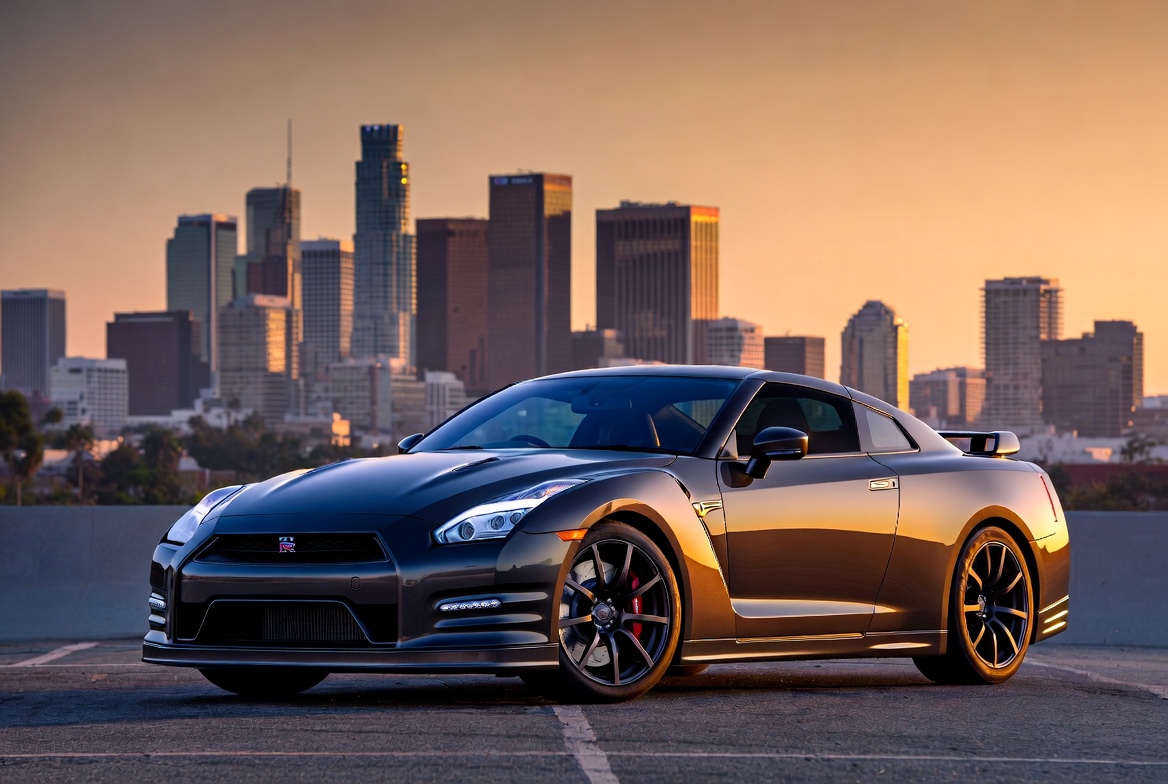
Why the road test should happen before shipping
A used R35 GT-R can pass a photo review and still fail the buyer's expectations once it arrives. Photos show paint, wheels, cabin condition, and sometimes service documents. They do not show gearbox hesitation, brake vibration, steering pull, boost inconsistency, suspension noise, or warning lights that appear only after the car warms up. That is why a proper pre-shipment road test matters. It does not need to be dramatic. It should be calm, structured, and repeatable. The goal is not to prove how fast the car is. The goal is to confirm that the car behaves like a healthy GT-R before it becomes expensive to reject. For buyers reviewing Panda Used Cars export options, the same road-test format can be used across several cars. A consistent checklist makes comparison easier and keeps emotion from taking over.
Start cold if possible
The best test begins before the engine has been warmed. A cold start reveals battery strength, idle behavior, smoke, unusual ticking, exhaust leaks, and warning lights. If the seller always presents the car warm, ask why. It may be innocent, but the buyer should still see a cold-start video. Let the car idle without touching the throttle. Watch the dashboard and listen. The idle should settle cleanly. Fans should not behave strangely. Warning lights should not remain after startup checks. A strong detail job cannot hide poor cold behavior.
Low-speed gearbox behavior
The GT-R's GR6 transmission has its own character, but harshness should not be used to excuse every problem. In normal automatic-style driving, the car should move away smoothly, shift predictably, and avoid repeated clunks or warning messages. Test gentle starts, parking-speed turns, reverse engagement, light throttle, and slow traffic. If the car has been tuned, ask whether the transmission software was changed. A power tune without a clear transmission story can create uncertainty for the next owner. Any hesitation, flare, heavy shock, or unusual noise should be recorded on video.
Steering, suspension, and braking
Use a straight road to check whether the car tracks properly. A slight road-crown effect is normal; a strong pull is not. Listen over small bumps. Knocks, rattles, or metallic sounds may point to suspension, undertray, brake, or wheel issues. Brake testing should begin gently. Look for vibration through the pedal or steering wheel, noise, uneven bite, or pulling. A firmer stop after the brakes are warm helps reveal rotor issues. If the car has expensive brake components, guesses are not enough. Ask for photos and measurements when possible.
Warm acceleration check
Only test stronger acceleration once fluids are warm and the road is safe. The car should build boost smoothly and pull cleanly without misfire, hesitation, smoke, or warning lights. One or two controlled pulls are more useful than an aggressive video made for entertainment. After acceleration, return to normal cruising and check whether temperatures remain stable. Export buyers in hot countries should be especially cautious. A car that runs hot during a short test is unlikely to improve after shipping.
Post-drive inspection
Do not end the inspection when the car stops. Leave it idling for several minutes, then check for smells, leaks, fan behavior, smoke, or warning lights. Look under the front, around the engine bay, and near the rear transaxle area where visible. A small leak seen before shipping can become a large negotiation problem after arrival. If the same customer is also comparing easier daily-use cars, pages such as Volkswagen T-Cross or used Honda CR-V show why a GT-R needs a different test routine. A performance car should be judged as a performance car, not as a normal crossover with more power.
The buying decision
A good road test should make the buyer calmer, not more confused. The car does not need to be flawless, but its behavior should match the documents, mileage, service history, and asking price. If the seller cannot provide a cold start, a normal drive, a warm check, and post-drive inspection footage, the buyer should price the car as uncertain. The best GT-R export purchase is the one that still makes sense after the excitement fades and the checklist is complete.