Photos sell trust before they sell cars. This is especially true for used performance cars. A buyer in another country cannot touch the steering wheel, smell the cabin, listen to the cold start, or lean under the bumper with a flashlight. They judge the seller through images. Good photography reduces anxiety. Bad photography creates questions even when the car is excellent. The R35 GT-R is a useful example because buyers know it is expensive to repair and often modified. They want beauty, but they also want proof. A listing with only dramatic exterior shots may attract attention, but it will not satisfy a serious export buyer. A professional photo set should combine emotional images with inspection images. For dealers exporting vehicles from China, whether through a main inventory site such as https://pandausedcars.com or through model-specific landing pages, photography should be treated as a sales system. Every image should answer a buyer question.
Start with the Hero Shot
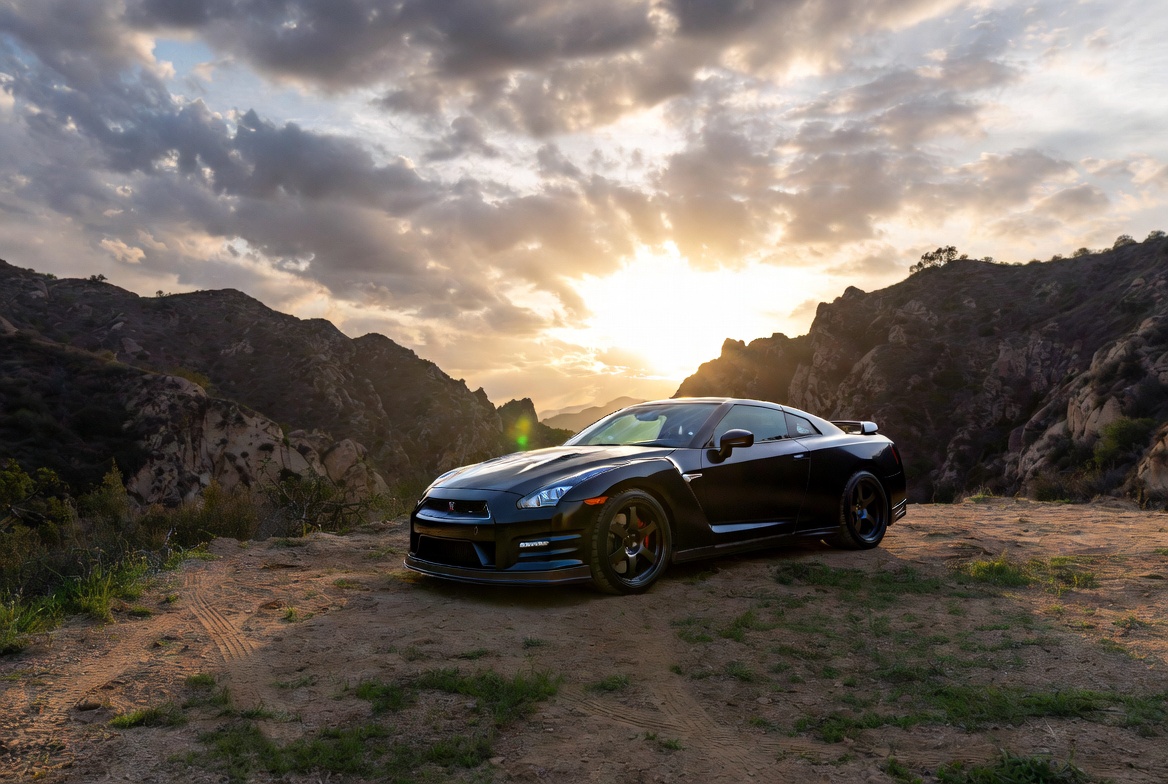
The hero shot is the image that makes the buyer stop scrolling. For a performance car, the best angle is usually front three-quarter, slightly low, with clean light and enough background space to make the car feel important. Avoid crowded lots, dirty pavement, and harsh midday reflections. The car should look desirable before the buyer begins inspection. However, do not over-edit the image. Export buyers are suspicious of photos that hide paint condition. Use natural contrast, correct color, and clear detail. The goal is not to make the car look like a video game. The goal is to make the buyer feel that the seller is competent. For GT-R content, a strong hero image also supports the site's editorial style. It tells the reader that the car is not just inventory. It is a machine with heritage, value, and technical meaning.
Export buyers comparing performance inventory with broader China sourcing can use Panda Used Cars as a reference point while building a shortlist.
Show the Four Corners Clearly
After the hero shot, provide four honest exterior angles: front, rear, left side, and right side. These should be level, sharp, and taken from consistent distance. Buyers look for panel alignment, paint mismatch, wheel condition, bumper gaps, headlight clarity, and signs of previous repair. Do not crop too tightly. A full-car view helps buyers understand stance and proportions. If the car has aftermarket wheels, suspension changes, carbon parts, or aero modifications, show them without trying to make them mysterious. Transparency builds confidence. This same rule applies beyond GT-Rs. A buyer comparing SUVs like used Honda CR-V or sedans like used Toyota Corolla still wants honest angles. The price category changes, but trust psychology stays the same.
Photograph the High-Risk Areas
Performance cars need detail shots of expensive areas. On an R35, photograph the front splitter, underbody edges, brake rotors, calipers, tire tread, wheel lips, engine bay, gearbox service labels if visible, interior controls, odometer, dashboard warning lights at ignition, and any modification hardware. For export buyers, these images reduce the number of follow-up messages. They also protect the dealer. If a buyer later claims a wheel mark or interior scratch was hidden, a complete photo set becomes part of the transaction record.
Interior Photos Should Prove Care
Interior wear often reveals how a car was treated. Photograph the driver's seat bolster, steering wheel, shift area, pedals, door cards, dashboard, infotainment screen, rear seats, trunk, and carpets. In a GT-R, worn seat bolsters and shiny steering-wheel leather can be normal, but they should match the mileage. Turn the screens on. Show the odometer clearly. If there are no warning lights, photograph the cluster after start-up. If a warning light exists, do not hide it. Explain it. Serious buyers prefer an honest issue over a suspiciously incomplete listing. For premium vehicles, interior photography should be clean but not artificial. Remove trash, wipe dust, align floor mats, and avoid personal items. The buyer should feel that the dealer prepared the car carefully.
When the customer wants a practical daily-driver alternative, model pages such as used Toyota Corolla help separate emotional demand from resale demand.
Engine Bay Images Need Context
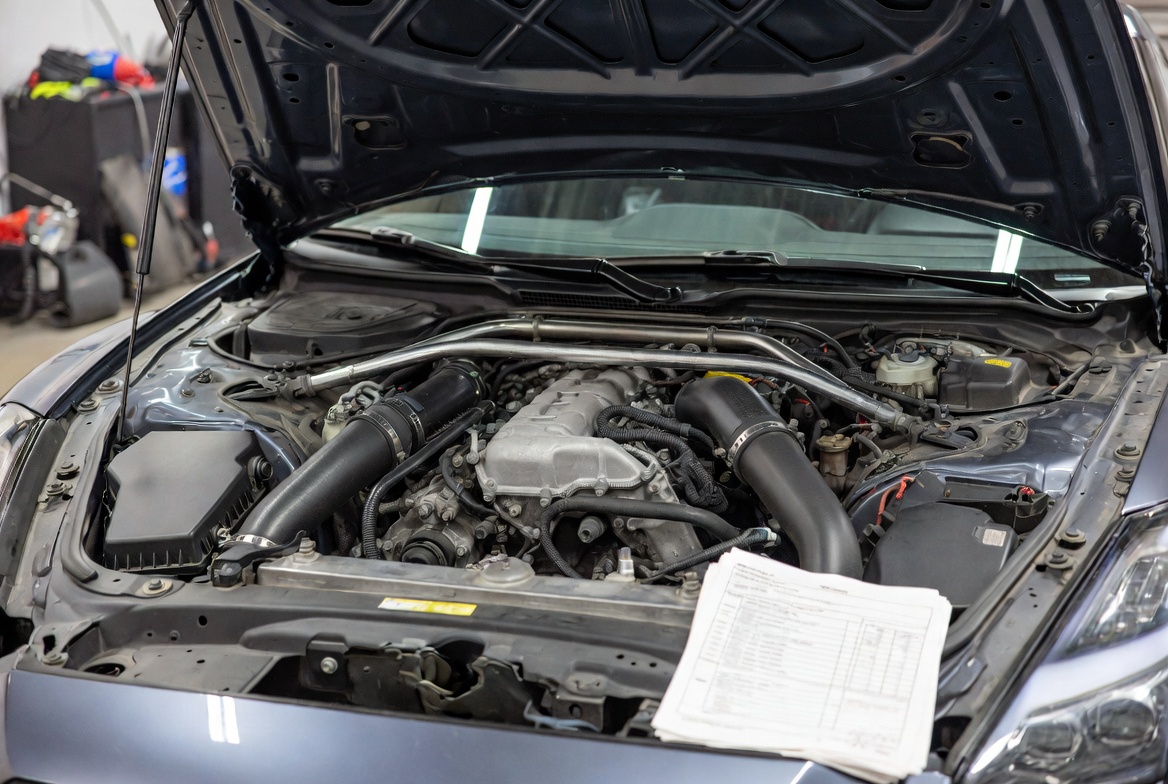
Do not shoot the engine bay from only one distance. Take a wide image first, then detail images of turbo piping, intake setup, visible labels, fluid areas, wiring, and any aftermarket components. A modified GT-R engine bay can be impressive, but it can also raise questions. Clear images help buyers send the photos to a specialist for review. If the engine is stock, show that confidently. Stock examples often carry a premium because buyers know what they are getting. If the engine is modified, include the parts list in the article or listing and photograph the matching components. This is where content and commerce meet. A good article can explain why engine bay documentation matters, while a good listing proves it in practice.
Add Service Document Images
When possible, include photos of service records with private details covered. Show dates, mileage, service type, and shop identity if the seller permits it. A GT-R with documented GR6 fluid service is much easier to sell than one with vague claims. Export buyers may not read every invoice line, but they understand what documentation signals: the car was not treated casually. Documentation images can support a higher price and reduce negotiation pressure. Dealers who work with multiple vehicle categories can apply this standard across inventory. Whether the buyer is looking at a GT-R, Mazda CX-5 used car, or a Chinese EV, records make the sale feel safer.
Use Images Inside Articles, Not Only Listings
SEO articles should not be walls of text. A good used-car article needs images that support the lesson. If the article discusses inspection, show inspection images. If it discusses design, show exterior detail. If it discusses export buying, show documentation or loading preparation. This is why article images are valuable for auxiliary SEO sites. They improve reading experience, make the page feel more legitimate, and give visitors visual proof that the site understands cars. Search engines do not buy vehicles, but human readers do. Images help both.
Before quoting a final landed price, it is useful to compare GT-R expectations with mainstream import demand around Volkswagen T-Cross.
Final Photo Checklist
- Hero front three-quarter image.
- Four exterior angles.
- Wheel, tire, brake, and underbody details.
- Interior overview and wear areas.
- Dashboard, odometer, and warning-light proof.
- Engine bay wide shot and detail shots.
- Service document photos with sensitive data covered.
- Modification detail images.
- Any damage, scratch, repair, or flaw shown honestly.
Good photography does not need to be expensive. It needs to be disciplined. Clean the car, choose good light, shoot consistently, and think like a buyer who is thousands of kilometers away. If your images answer questions before the buyer asks them, the sale becomes easier. For exporters building trust online, photography is not decoration. It is evidence.