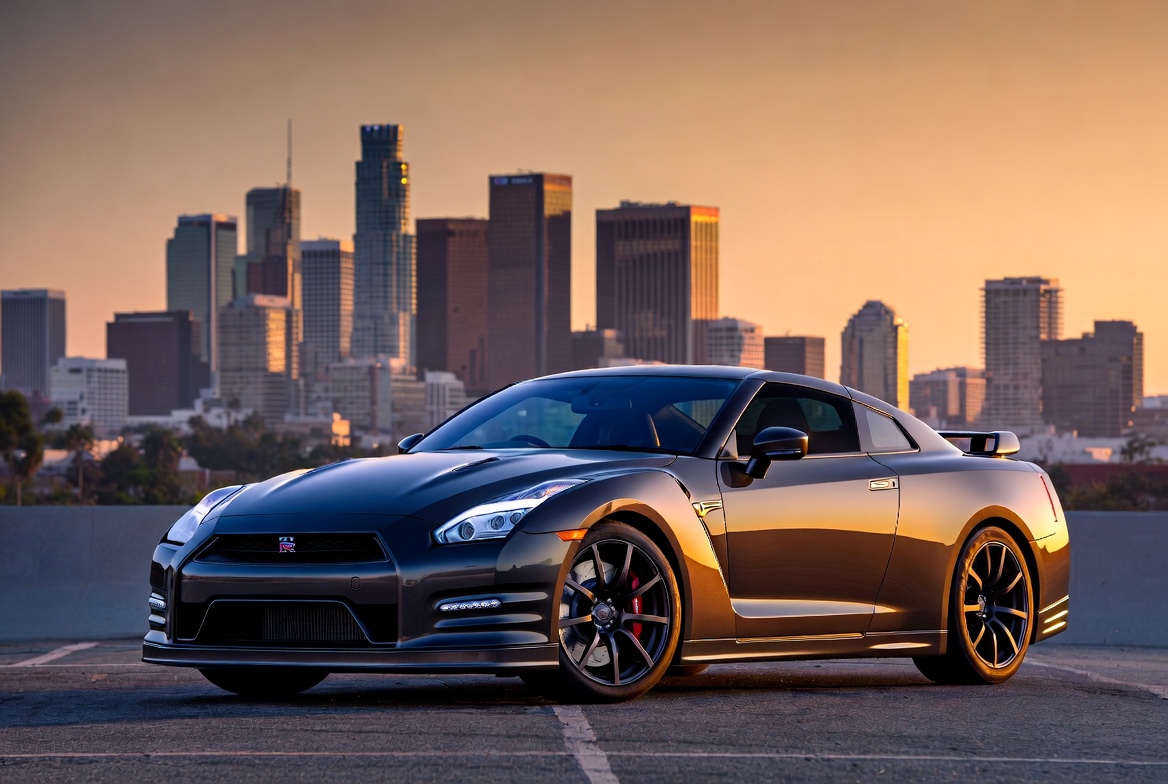
For used car dealers, the R35 GT-R is both an opportunity and a responsibility. It attracts attention, brings performance credibility to a showroom, and can support strong margins when purchased correctly. But it also ties up capital and appeals to a narrower buyer group than ordinary SUVs or sedans. Inventory turnover depends on buying the right car, pricing it realistically, and presenting it with enough evidence to reduce buyer hesitation. The first mistake is treating every GT-R as automatically easy to sell. The badge creates interest, but serious buyers still compare year, mileage, accident history, modification status, records, color, and landed cost. A weak file can sit for months even if the car looks good.
Buy for the Buyer You Already Know
Before purchasing, define the expected buyer. Is the target customer a collector, tuner, daily-driver enthusiast, reseller, or status buyer? Each profile wants a different car. A collector may prefer stock condition and rare specification. A tuner may accept modifications. A daily-driver buyer wants smooth operation and comfort features. Dealers who know their customer profile can avoid overpaying for the wrong specification. A flashy modified GT-R may get clicks but fail to match the local buyer who wants a clean, stock, finance-friendly car.
Price with a First-Service Buffer
Every imported GT-R should have a first-service buffer. Tires, brakes, battery, fluids, detailing, diagnostic work, and small cosmetic repairs can reduce margin quickly. A dealer should not spend the entire budget on purchase price and freight. Leave room to prepare the car properly after arrival. Prepared cars sell faster. A buyer who sees fresh inspection notes, service invoices, good tires, clean interior photos, and a diagnostic scan feels less risk. That confidence can shorten negotiation time.
Presentation Should Answer Questions
A strong GT-R listing should answer the questions buyers already have: service records, gearbox condition, modification history, accident history, tire age, brake condition, interior wear, export documents, and why the price is justified. If the listing only shows glamour photos, serious buyers will ask for more proof or delay the decision. Use a structured photo set: exterior, interior, engine bay, underbody, wheels, brakes, VIN, odometer, service records, and imperfections. The goal is not to make the car look flawless. The goal is to make the car look honestly represented.
Avoid Dead Capital
Performance cars can be slower-moving than mainstream inventory. A dealer should set a review date. If inquiries are weak after a defined period, adjust price, improve photos, add service proof, or reposition the listing. Do not wait passively while the car ages in stock. Seasonality can also matter. Some markets buy performance cars around events, holidays, or warmer driving seasons. Plan listing timing and content accordingly.
Use Content to Support Sales
Long-form guides can support the sales process. Articles about inspection, shipping, maintenance, and market value help educate buyers and reduce repetitive questions. A dealer selling GT-Rs, EVs, SUVs, and sedans can use content to show professionalism beyond one vehicle. The R35 GT-R can be a strong inventory piece when it is bought with a clear buyer in mind. Price it with preparation cost included, present it with evidence, and review turnover honestly. The car is famous, but the dealer's discipline decides the profit.