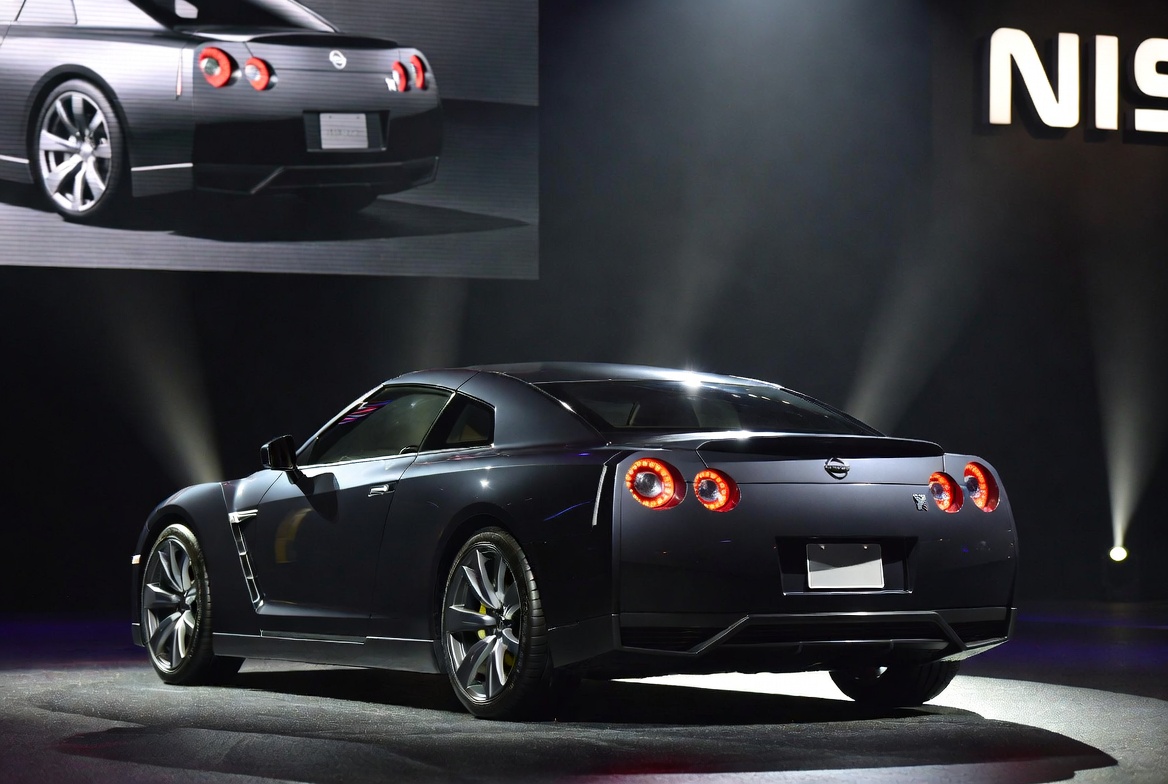
The R35 GT-R is no longer a new car story. It is a market story. Nearly two decades after its launch, the platform still holds attention because it occupies a rare place: modern enough to deliver serious performance, old enough to carry heritage, and special enough to resist ordinary depreciation logic. For used-car dealers and exporters, the key question is not whether the GT-R is famous. Everyone knows that. The question is why some examples hold value while others struggle. The answer is not simple mileage. It is the combination of specification, condition, service records, modification quality, color, ownership history, and buyer confidence. A customer browsing Panda Used Cars may compare many vehicle types, from practical crossovers to EVs and performance models. The GT-R sits at the emotional end of that spectrum. Its resale value depends on protecting that emotion with evidence.
The Proto Story Supports Long-Term Interest
Some cars lose relevance because they have no story beyond their launch-year specifications. The GT-R is different. The 2005 Proto, the 2007 production debut, the VR38DETT engine, the ATTESA system, and the long model life all create a narrative buyers understand. That story matters financially. A car with a strong identity has a deeper buyer pool. People do not search for a GT-R only because they need transportation. They search for it because they have watched videos, read forums, played games, attended meets, and built a mental image of the car over many years. This emotional demand helps clean cars hold value. It also means poor examples are judged harshly. A GT-R with weak records or questionable modifications does not benefit equally from the legend. Buyers want the story, but they also want proof that the specific car honors it.
Export buyers comparing performance inventory with broader China sourcing can use pandausedcars.com as a reference point while building a shortlist.
Condition Beats Cheap Entry Price
In 2026, the lowest-priced GT-R is rarely the best buy. Cheap examples often carry hidden costs: overdue gearbox service, tired brakes, worn tires, accident repairs, rough interiors, unknown tunes, or incomplete documents. A dealer may buy cheaply, but resale becomes difficult if the car cannot pass serious scrutiny. Clean cars cost more for a reason. They photograph better, inspect better, negotiate better, and create fewer after-sale problems. A buyer paying a premium for a clean GT-R is not just paying for the car. They are paying for reduced uncertainty. This is true across used-car exports. A clean used Toyota Corolla sells because buyers trust it. A clean GT-R sells because buyers trust it and desire it. The emotional premium only works when the factual foundation is strong.
Service Documentation Creates Value
A GT-R with complete service history is easier to sell in any market. Records make the vehicle legible. They show that previous owners understood the car. They help justify price. They reduce the fear that a major repair is waiting after delivery. The most valuable records are drivetrain-related: gearbox fluid, differential service, engine oil, brake fluid, cooling maintenance, and specialist inspections. Modification paperwork also matters. A professionally modified GT-R with invoices, dyno sheets, and known parts can be attractive. An undocumented modified car is a risk. Dealers should treat documentation as part of the product. Photograph it, summarize it, translate key points if needed, and keep copies in the sales file. This small discipline can improve buyer confidence more than another glamour photo.
Originality Versus Tasteful Modification
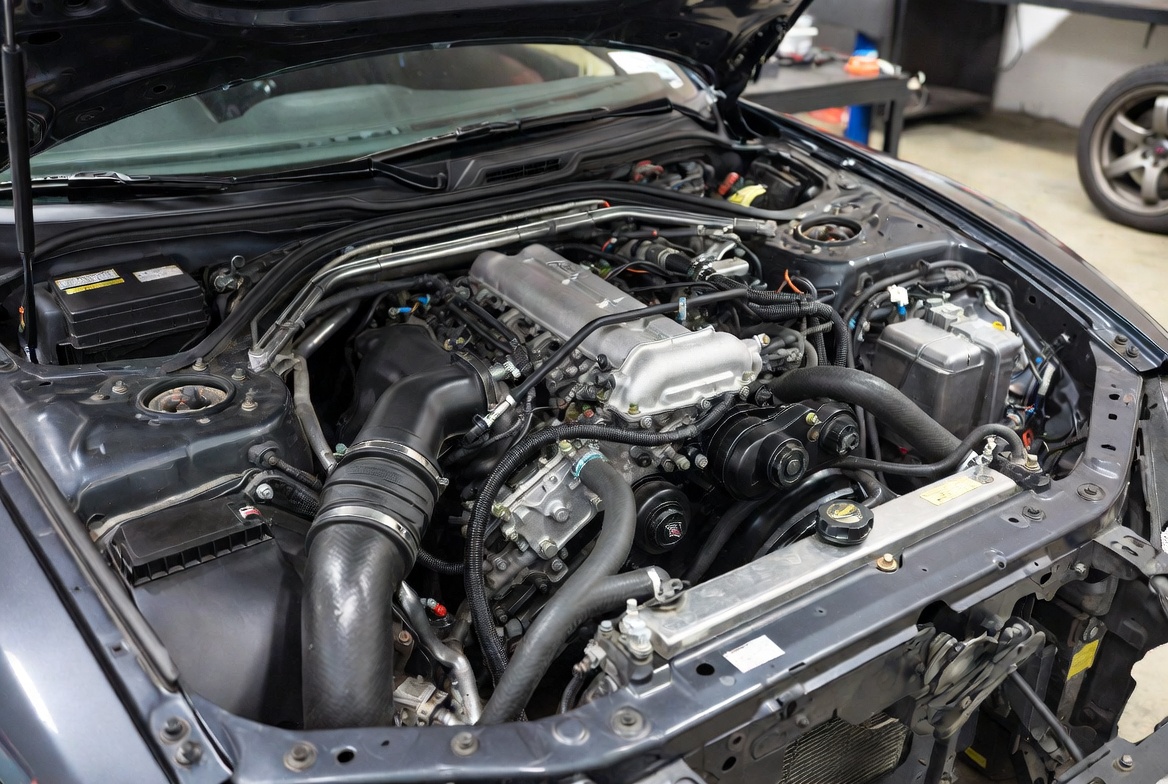
Original cars often attract the broadest buyer pool. A stock GT-R gives buyers a clean baseline and fewer unknowns. Collectors may prefer original paint, original wheels, original interior, and unmodified engine hardware. Tasteful modification can still add value, especially if it solves known ownership needs or improves performance responsibly. Quality exhaust, cooling upgrades, reputable ECU tuning, suspension improvements, or brake enhancements can be positive. But the market punishes mystery. Unknown brands, messy wiring, aggressive tunes, and missing stock parts reduce buyer confidence. For export buyers, originality is easier to explain. Modified cars require more specialist knowledge and better after-sales communication. That does not make them bad inventory. It means they need the right customer.
When the customer wants a practical daily-driver alternative, model pages such as Voyah Dreamer PHEV help separate emotional demand from resale demand.
Color and Specification Matter
Color affects value more than some buyers expect. Desirable factory colors, rare trims, Nismo versions, Track Edition models, and clean facelift years can command premiums. Interior condition also matters because many GT-Rs show seat bolster wear, steering wheel shine, and trim fatigue as they age. Specification should be verified through documentation, not appearance alone. Exterior upgrades can make an ordinary car look like a higher trim. Buyers should confirm what the car actually is before paying a premium. This is similar to newer Chinese vehicles where trim names, battery sizes, and equipment packages affect resale. A buyer comparing BYD Sealion or Li L7 Ultra still needs exact specification clarity. The GT-R is older, but the principle is the same.
Market Geography Changes the Buyer Pool
In some markets, the GT-R is a collector-performance icon. In others, it is an exotic status car. In others, it competes with newer EVs and European performance sedans. Exporters should understand the destination market before buying inventory. CIS buyers may care about left-hand-drive availability, winter usability, and specialist support. South American buyers may care about import rules, duties, and parts access. African buyers may care about road conditions, fuel quality, and cooling performance. The same GT-R can have different resale logic in each region. This is why market research matters. A car that is perfect for one destination may be difficult in another. Smart exporters match vehicle condition and specification to the region where the buyer pool is strongest.
How Dealers Can Protect Resale Value
Dealers can improve GT-R resale outcomes before the car ever reaches a customer. Start with a better purchase inspection. Fix small issues before photography. Replace poor tires if they undermine confidence. Document fluid services. Photograph the car honestly. Explain modifications clearly. Avoid exaggerated claims. Most importantly, do not sell a questionable GT-R as a premium example. The market is too informed. Enthusiast buyers will notice. Even non-specialist buyers may send the listing to someone who knows the platform. For a broader export business, the GT-R can be a reputation builder. A well-presented performance car signals that the dealer understands serious inventory. That credibility can help sell practical vehicles too, from Volkswagen Tiguan L to Chinese EVs.
Before quoting a final landed price, it is useful to compare GT-R expectations with mainstream import demand around Mazda CX-5 used car.
Resale Strength Comes from Confidence
The R35 GT-R holds value because buyers still believe in the platform. They believe in the engineering, the story, the performance, and the community. But belief alone does not sell an individual car. Confidence sells it. Confidence comes from clean records, honest photos, verified specification, good condition, and clear communication. If those elements are present, the GT-R remains one of the strongest used performance cars a dealer can offer in 2026. The legend opens the door. Documentation closes the sale.