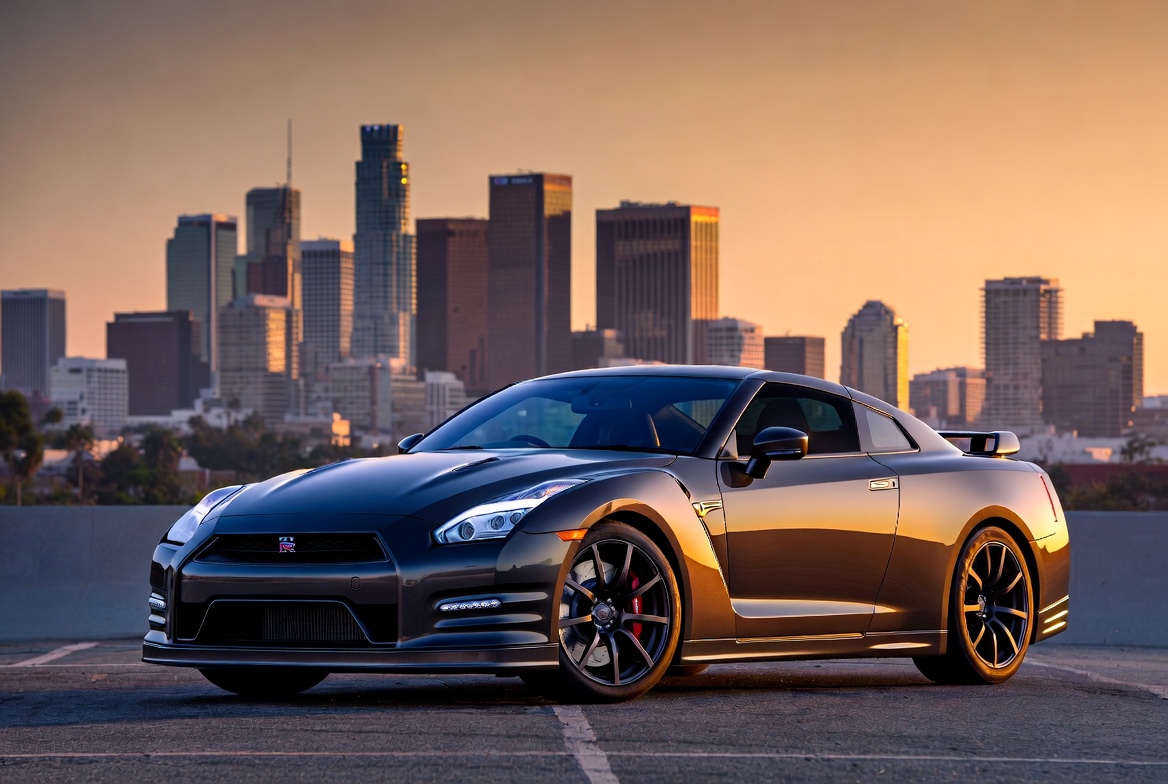
The R35 GT-R had one of the longest and most carefully developed lives of any modern performance car. To casual buyers, every R35 may look like the same wide Japanese supercar. To serious export buyers, model year matters. The differences affect power, gearbox behavior, suspension tuning, interior quality, cooling, resale value, and buyer confidence in the destination market. This guide is written for exporters and international buyers who need to explain the car clearly. A buyer in Africa, South America, the Middle East, or CIS countries may not know every update by year, but they will care about reliability, service records, parts access, and future resale. The better the exporter explains the differences, the easier it is to justify price.
Early R35 GT-R models: the raw appeal
Early R35 GT-R models are often attractive because the entry price can be lower. They still carry the core identity: VR38DETT engine, dual-clutch transaxle, ATTESA all-wheel drive, and the design language that connected the GT-R Proto concept to the production car. For a buyer who wants the legend at the most accessible price, an early car can make sense. The risk is condition. Early cars have had many years to accumulate hard driving, deferred maintenance, poor modifications, and gearbox wear. An early R35 with complete service records may be better than a newer car with unclear history, but the inspection must be strict. Exporters should pay special attention to GR6 service records, launch-control history, differential fluid, cooling performance, and previous tuning. A cheap early car with unknown gearbox condition can become expensive after it lands.
Facelift cars and refinement
As the R35 matured, Nissan improved ride quality, gearbox calibration, interior feel, chassis balance, and cooling details. Later cars often feel more polished. They may not have the same raw character as the earliest examples, but they can be easier to recommend to buyers who want less risk. For export markets, refinement can matter. A buyer who wants a daily-usable performance car may prefer a later car because it feels less harsh and more modern. A dealer can also present later examples as safer inventory when service documentation is strong. This is where buyers comparing other imported performance or premium vehicles through resources like Panda Used Cars should think in terms of use case. The best GT-R is not always the newest; it is the one that fits the buyer's roads, budget, and support network.
Track Edition, Nismo, and special trims
Special trims deserve their own valuation logic. Track Edition and Nismo cars are not simply regular GT-Rs with cosmetic details. They can bring stronger buyer interest, but they also require more careful verification. Confirm factory specification, option codes, interior details, body parts, wheels, suspension, brakes, and any replaced components. Some cars are modified to resemble higher trims. That is not automatically bad if priced correctly, but it is a problem if represented as a genuine rare model. Export buyers should verify documents and physical details before paying a premium. In markets where collector knowledge is limited, a special trim can be harder to explain. In enthusiast-heavy cities, it may sell faster and hold value better. Know the destination before buying the car.
Mileage versus history
Many export buyers still overvalue low mileage. Low mileage is attractive, but it is not enough. A 35,000 km car with no gearbox records may be riskier than a 70,000 km car with consistent specialist servicing. GT-R buyers should judge mileage together with service documents, tire age, brake condition, interior wear, and diagnostic results. Cars that sat unused for long periods deserve attention. Old fluids, weak batteries, flat-spotted tires, dried seals, and stale fuel can create problems. A driven and maintained car can be a better business decision than a parked car with a romantic odometer.
Which years are best for export?
There is no universal best year. Entry-level buyers may prefer earlier cars because landed cost is lower. Enthusiasts may prefer rawer examples or special editions. Practical premium buyers may prefer later cars with improved refinement. Collectors may focus on Nismo, final-year cars, or rare specifications. For most export dealers, the best target is a clean, documented, lightly modified or stock car from a year range the destination market understands. It should have photos, records, diagnostic confidence, and a realistic first-service plan.
Final advice
Do not buy the year; buy the story. The R35 GT-R is a long-running platform with many subtle improvements, but condition remains the foundation. A strong exporter can explain model-year differences clearly while still returning to the facts: service history, gearbox health, chassis condition, documents, and buyer fit. When those elements align, the R35 remains one of the strongest used performance cars for international buyers in 2026.