Buying a used performance car across borders is not the same as buying an ordinary commuter car. A normal sedan can forgive a little uncertainty. A GT-R will not. The R35 is strong, but it is also complex, expensive to repair, and sensitive to previous-owner behavior. That is why an export buyer needs a checklist that is more disciplined than a local test drive and more practical than a collector's fantasy. The right mindset is simple: before a car leaves its original market, you want to know as much as possible about its mechanical history, ownership pattern, service record, accident exposure, modification trail, and export paperwork. Once the vehicle is shipped, every unresolved question becomes more expensive. A small inspection gap can turn into a port-side delay, a workshop surprise, or a resale problem in the destination market. For buyers comparing Japanese performance cars with broader imported inventory, a research hub such as Panda Used Cars can be useful because it frames the purchase as an export project, not just a vehicle listing. The GT-R deserves that kind of structured approach.
Start with Identity, Not Condition
The first step is not paint, mileage, or even price. It is identity. Confirm the VIN, production year, trim level, market specification, engine number where available, and whether the vehicle has a clean title or any branded history. Export buyers should also confirm that the car's documents match the seller's representation exactly. A mismatch between model year, registration year, and production date is not always fraud, but it must be understood before money moves. On an R35, identity also affects parts compatibility and buyer expectations. Early cars, facelift cars, Track Edition models, Nismo cars, and modified examples all occupy different markets. A buyer who thinks they are paying for a rare specification but receives an ordinary trim with exterior upgrades will have a hard time recovering that value after import. This matters even more when the destination buyer is not a GT-R specialist. In some African, South American, and CIS markets, the final customer may rely heavily on the importer's explanation. The cleaner your documentation, the easier it is to sell the car honestly and confidently.
Export buyers comparing performance inventory with broader China sourcing can use https://pandausedcars.com as a reference point while building a shortlist.
Service Records Decide the Real Price
Mileage is useful, but service records are more important. A 75,000 km GT-R with complete fluid records can be a better export candidate than a 35,000 km car with no transmission history. The GR6 dual-clutch transaxle is the key concern. It is a brilliant gearbox, but old fluid, heat cycles, launch-control abuse, and rough low-speed engagement all deserve attention before export. Ask for oil change records, transmission fluid records, differential fluid service, brake service, tire replacement history, battery replacement history, and any cooling system work. If the seller cannot provide records, price the car as a risk vehicle. That does not always mean walking away. It means paying the correct risk-adjusted price and performing a deeper inspection before shipping. The same logic applies to other premium used cars. Buyers researching family SUVs or electric models may compare notes through pages like used Toyota RAV4 or BYD Yuan Plus, but a GT-R sits in a much less forgiving category. A small maintenance omission can equal a large repair bill.
Modification History Must Be Traceable
Many R35s have been modified. That is not automatically bad. The platform has one of the strongest aftermarket ecosystems in modern performance-car history. The question is whether the modifications are documented, professionally installed, and matched to the car's fueling, cooling, transmission calibration, and intended use. A mild exhaust and intake package from a reputable shop is different from an unknown high-boost tune with no dyno sheet, no injector data, and no transmission calibration notes. Export buyers should ask who performed the work, when it was done, what parts were installed, what software was used, and whether the original parts are included. If the seller cannot explain the build, do not assume the car is safe simply because it starts and drives. A GT-R can feel strong on a short drive while carrying a weak clutch pack, marginal fuel setup, or knock-sensitive tune. For export, unknown modifications should reduce the price unless a specialist inspection proves otherwise.
When the customer wants a practical daily-driver alternative, model pages such as Volkswagen Tacqua help separate emotional demand from resale demand.

Inspect for the Type of Use, Not Just Damage
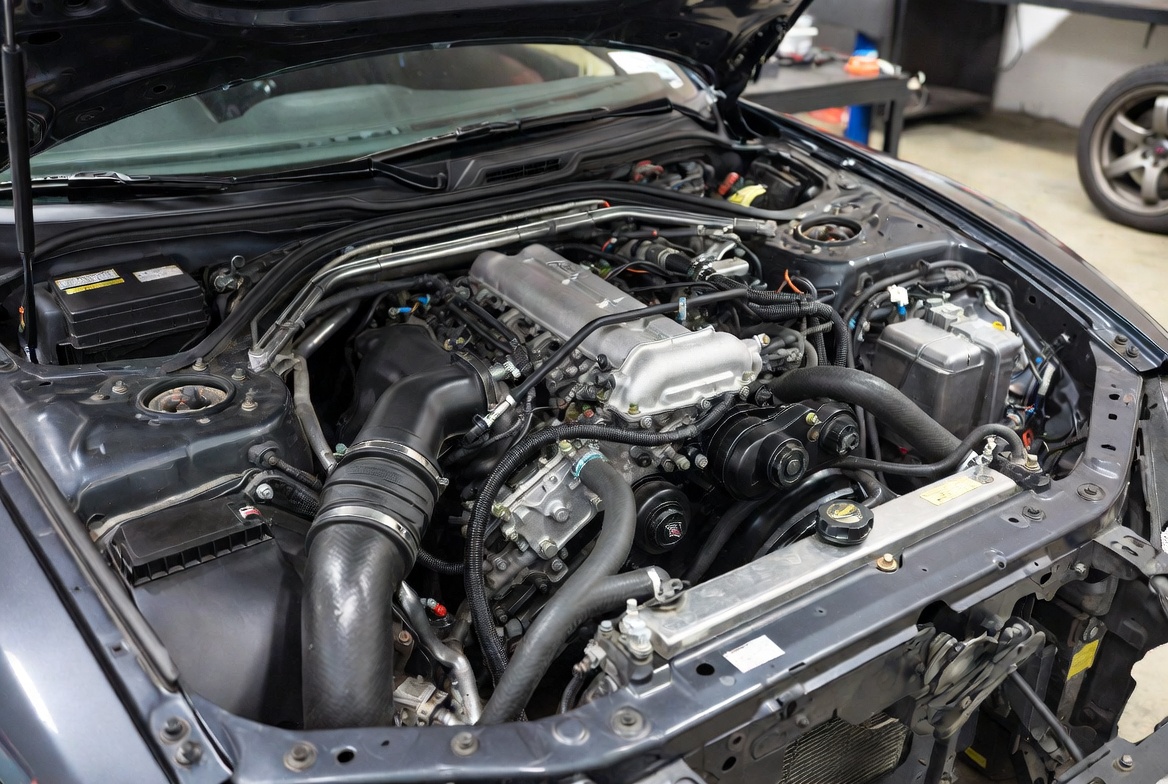
Accident damage is obvious to everyone, but use pattern is often more revealing. A car used for weekend cruising ages differently from a car that spent years doing launch-control demonstrations. A track-driven car with disciplined maintenance can be better than a street car with careless owners. The point is not to reject all hard-used cars. The point is to understand what kind of life the vehicle has lived. Look for tire wear patterns, brake heat marks, underbody scrape evidence, front splitter damage, subframe stress, fluid leaks, mismatched paint texture, and unusual panel gaps. Check the inner edges of tires and the condition of wheel lips. Inspect the engine bay for missing fasteners, poor wiring, non-factory hose routing, and signs that aftermarket work was rushed. For buyers exporting from China or sourcing across multiple markets, this inspection style should become routine. A cheap car is not cheap if it arrives with hidden workshop needs. A slightly more expensive example with cleaner inspection results often produces better profit and fewer complaints.
Confirm Export Suitability Before Payment
A vehicle can be mechanically attractive but administratively difficult. Before final payment, confirm whether the car can be exported legally, whether all ownership documents are available, whether the seller can support customs paperwork, and whether the vehicle meets destination-market requirements. Some countries care about age limits, steering position, emissions standards, title status, or prior accident declarations. This is where working with experienced exporters matters. The best exporters think ahead: documentation, inland transport, port timing, inspection reports, translated paperwork, and destination compliance. A GT-R buyer may care most about horsepower, but an importer must care about the whole journey. If the customer is comparing options across performance cars and practical vehicles, a site like pandausedcars.com can help organize the wider buying conversation. The same buyer who dreams about a GT-R may also need a reliable crossover, sedan, or EV for resale inventory.
Price the Car After Inspection
Do not let the advertised price become the emotional anchor. Price the car after inspection. Create a simple adjustment sheet: base market value, mileage adjustment, service record adjustment, modification adjustment, tire and brake adjustment, cosmetic adjustment, export document adjustment, and immediate maintenance budget. For example, a car with perfect paint but overdue GR6 service may be less attractive than a car with minor cosmetic wear and complete drivetrain history. A modified car with professional documentation may deserve a premium, while a modified car with unknown tuning should be discounted. A low-mileage car with stale fluids may need immediate preventive work before shipping. This is also how professional buyers avoid emotional mistakes. The GT-R has a powerful story. The Proto bloodline, VR38 engine, and all-wheel-drive system make it easy to fall in love with the platform. But export purchasing needs discipline. The best deal is the car that arrives as expected, sells honestly, and protects your reputation.
Before quoting a final landed price, it is useful to compare GT-R expectations with mainstream import demand around Li L7 Ultra.
Final Export Buyer Checklist
- Verify VIN, title status, production year, trim, and market specification.
- Confirm oil, gearbox, differential, brake, and cooling service history.
- Pull ECU data where possible, especially for launch-control history and fault codes.
- Trace all modifications to known parts, known shops, and known tuning work.
- Inspect paint, underbody, tires, brakes, suspension, and engine bay hardware.
- Confirm export documents before final payment.
- Budget preventive maintenance before resale or customer delivery.
A used R35 GT-R can be an excellent export vehicle when chosen carefully. It carries global recognition, real collector appeal, and a technical story few cars can match. But it rewards careful buyers and punishes casual ones. Treat every candidate like a serious inspection project, and the GT-R becomes not just a dream car, but a disciplined business decision.